A Timeline of the Hadley’s Historic Lives
-
![Black and white newspaper advertisement featuring the Milwaukie Pastry Kitchen's fresh baked pastries. Food advertised includes fresh banana cake, coffee cakes, cookies, and breads. Small illustration of rolls at the top of the advertisement.]()
1940s
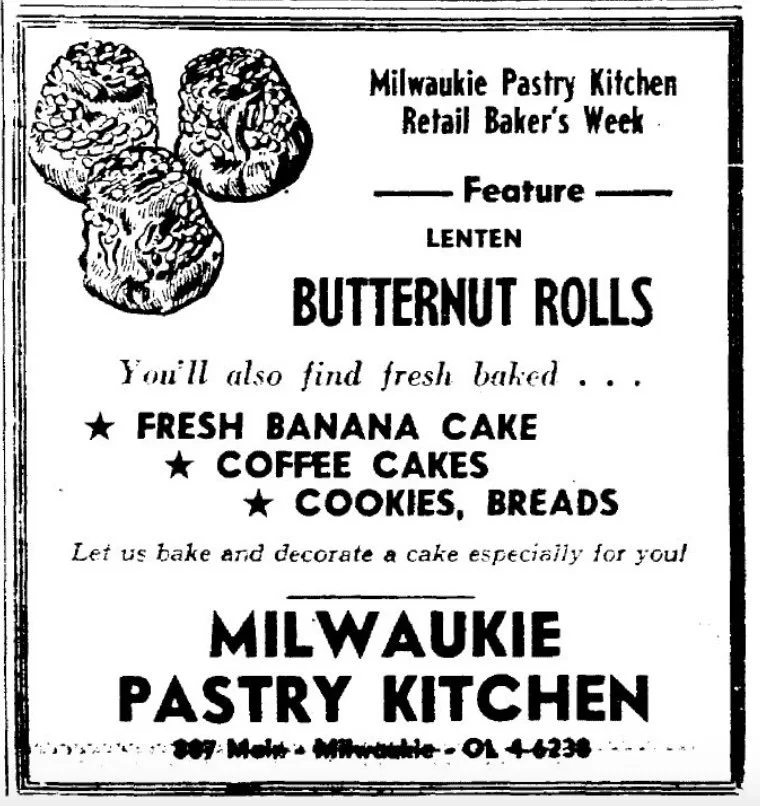
The Milwaukie Pastry Kitchen opens. The exact date is currently unknown, but it likely opened before Americans began rationing sugar during the summer of 1942, or after World War II ended in 1945.
Image courtesy of the Milwaukie Historical Society, clipping undated. -
![Blue background with five WWII era ships and vessels. "Ships for Victory" printed across the top of the booklet cover.]()
1943
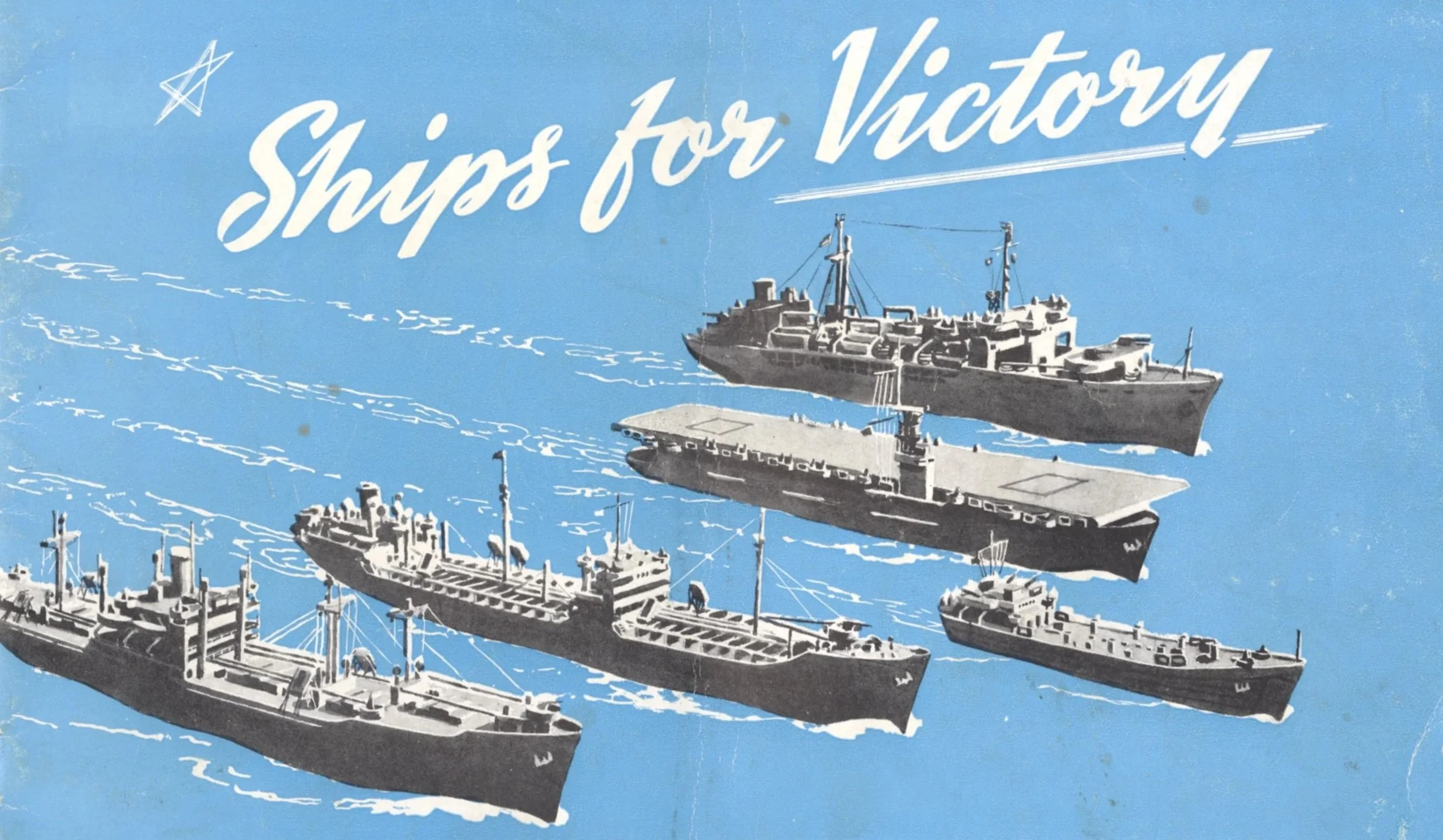
Dorothy’s father moves to Portland to work at one of Henry Kaiser’s shipyards, after seeing a poster that promoted Black men working in wartime industries in the Pacific Northwest. He was one of millions of Black Americans who moved from the South during the Second Great Migration. During the wartime industry boom, from 1940 to 1944, Portland’s population of Black residents increased from 2,000 to 22,000.
Image courtesy of Milwaukie Historical Society, 2024.999.1252
-
![Black and white aerial photograph depicting a highway and surrounding neighborhoods.]()
1944/45
Dorothy and Hurtis move to Oregon alongside each of their families. Both families settled in the Black section of Vanport, a wartime housing project that was once the largest housing project in the United States with nearly 10,000 residents at its peak. The housing project and medical facilities were racially segregated, but some facilities were integrated.
Image courtesy of Portland City Archives, AP/378
-
![Cloudy sky above a flooded marina. No boats in the marina, and power lines extend across the top of the photograph.]()
1948
Vanport floods on May 30th, at 4:17 pm. 18,000 residents - including Dorothy, and Hurtis were displaced overnight. Hurtis and Dorothy were children, but both later recall the events that took place on this day in OPB’s documentary, “The Flooding of Vanport.”
Image of 1964 Columbia flooding courtesy of the Milwaukie Historical Society Hupp Slide Collection, 1978.2.7
-
![Map depicting the streets and neighborhoods in Portland, Oregon. Map is color coded in green, blue, yellow, and red. Red neighborhoods are visible in all areas that "urban renewal" would take effect in Portland in the 1950s and 1960s.]()
1952
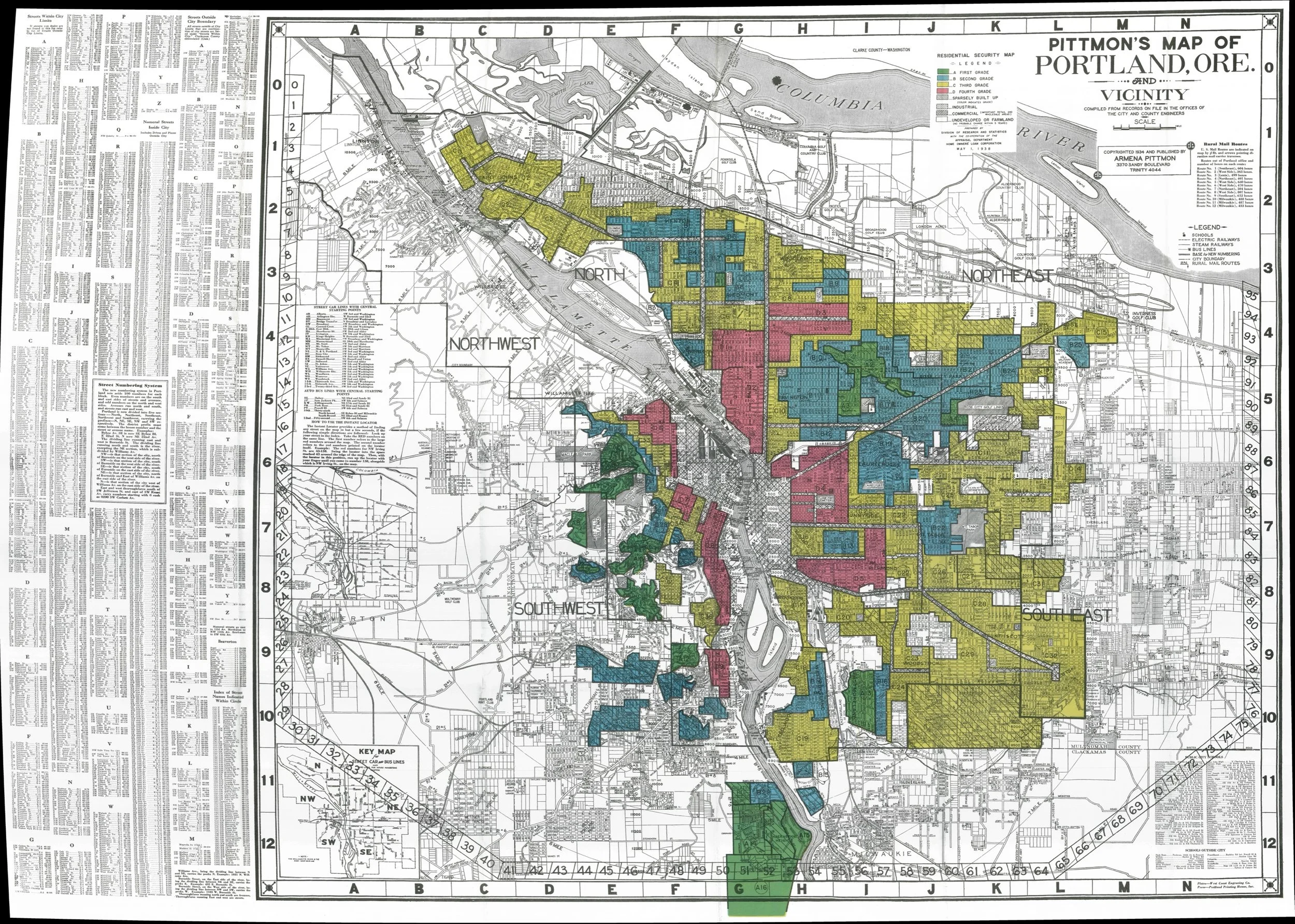
Hurtis and his family moved “over town” from St. Johns to NE Portland, where the colosseum is located now. In the 1930s, the Home Owners’ Loan Corporation, under government contract, created maps and “graded” neighborhoods into four categories: best, still desirable, definitely declining, and hazardous. Hurtis’ family moved into the Lower part of the Albina neighborhood, which was listed in the HOLC’s “clarifying remarks” as Portland’s “‘Melting Pot.” (D2 Lower Albina in HOLC “Clarifying Remarks”)
Image courtesy of the mapping inequality. Accessible here.
-
![Newspaper clipping with black text. Black and white photograph at the top of the article that displays a young Hurtis Hadley standing with another young boy as they look at records.]()
1958
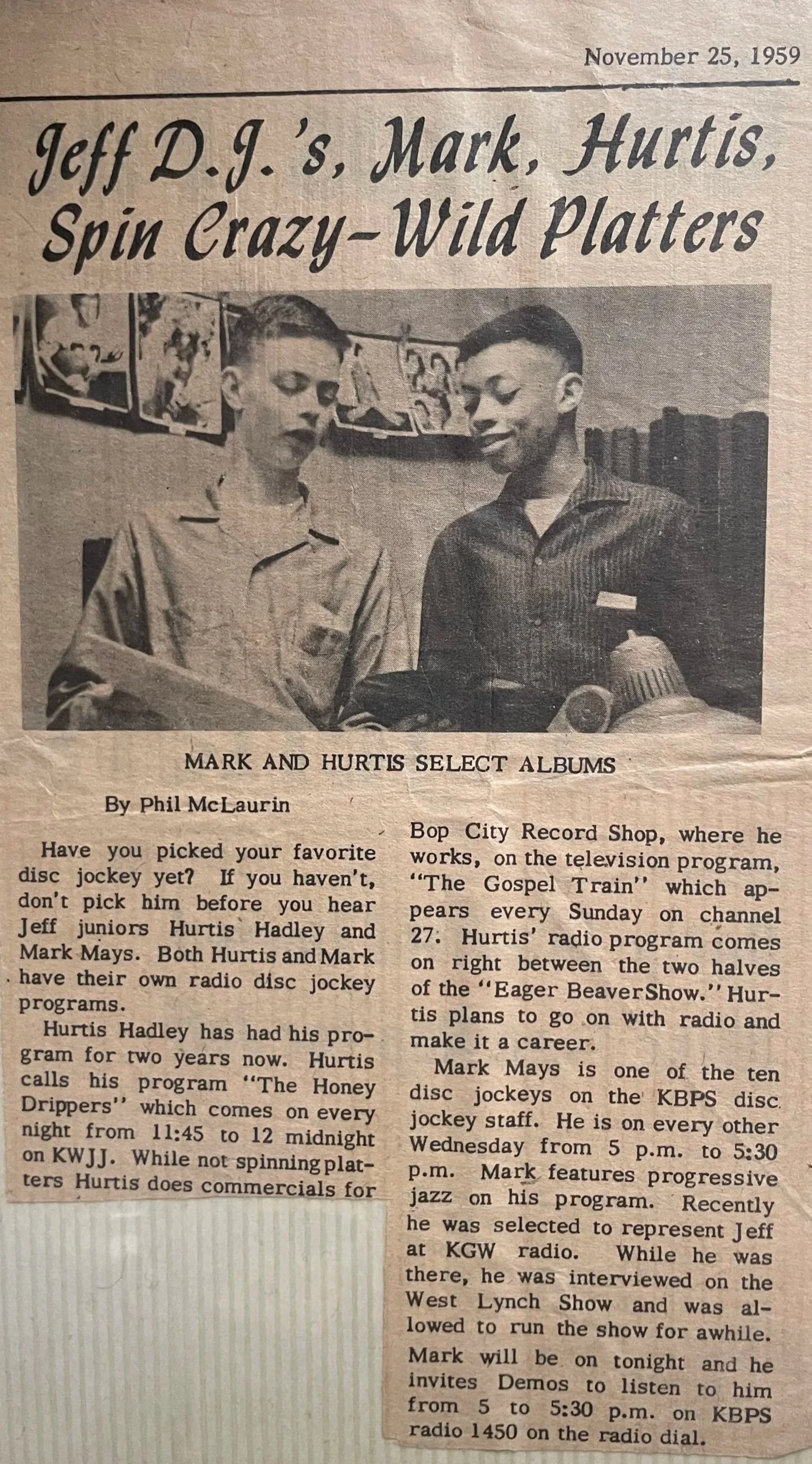
While attending Jefferson High School, Hurtis hosted a “radio disc jockey program” for two years, and recorded commercials for D.J. Fitzgerald Beaver at Bop City Records. Located in the Albina neighborhood, Bop City sold music from Black artists - unlike other record stores in town who considered it “race music.” In addition to working on the airwaves, Hurtis would occasionally model clothes for Beaver and his wife’s business.
Image courtesy of the Hadley family
-
![Dorothy standing in front of her house. She is wearing a white dress and underskirt, and white shoes. She is smiling and facing slightyl away from camera. The photograph itself is stained and bent.]()
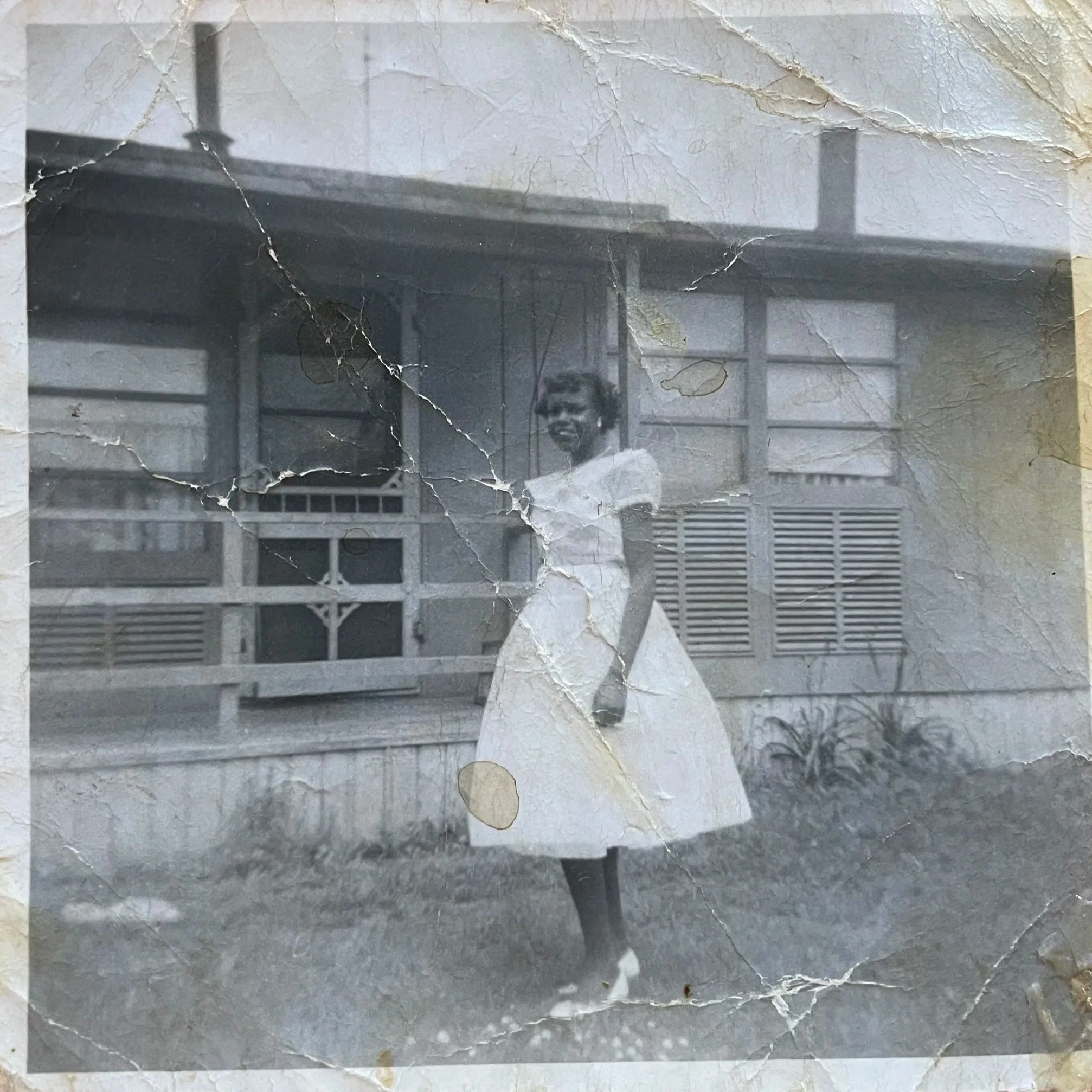
1960
Dorothy “graduated from Roosevelt High School in North Portland. Which was mostly white. And during lunch, school assemblies, and school dances, we all parted like the red sea. No communication.” Here, she is pictured years prior to graduation, outside of her home in a housing project in Guild’s Lake.
Image courtesy of the Hadley family
-
![]()
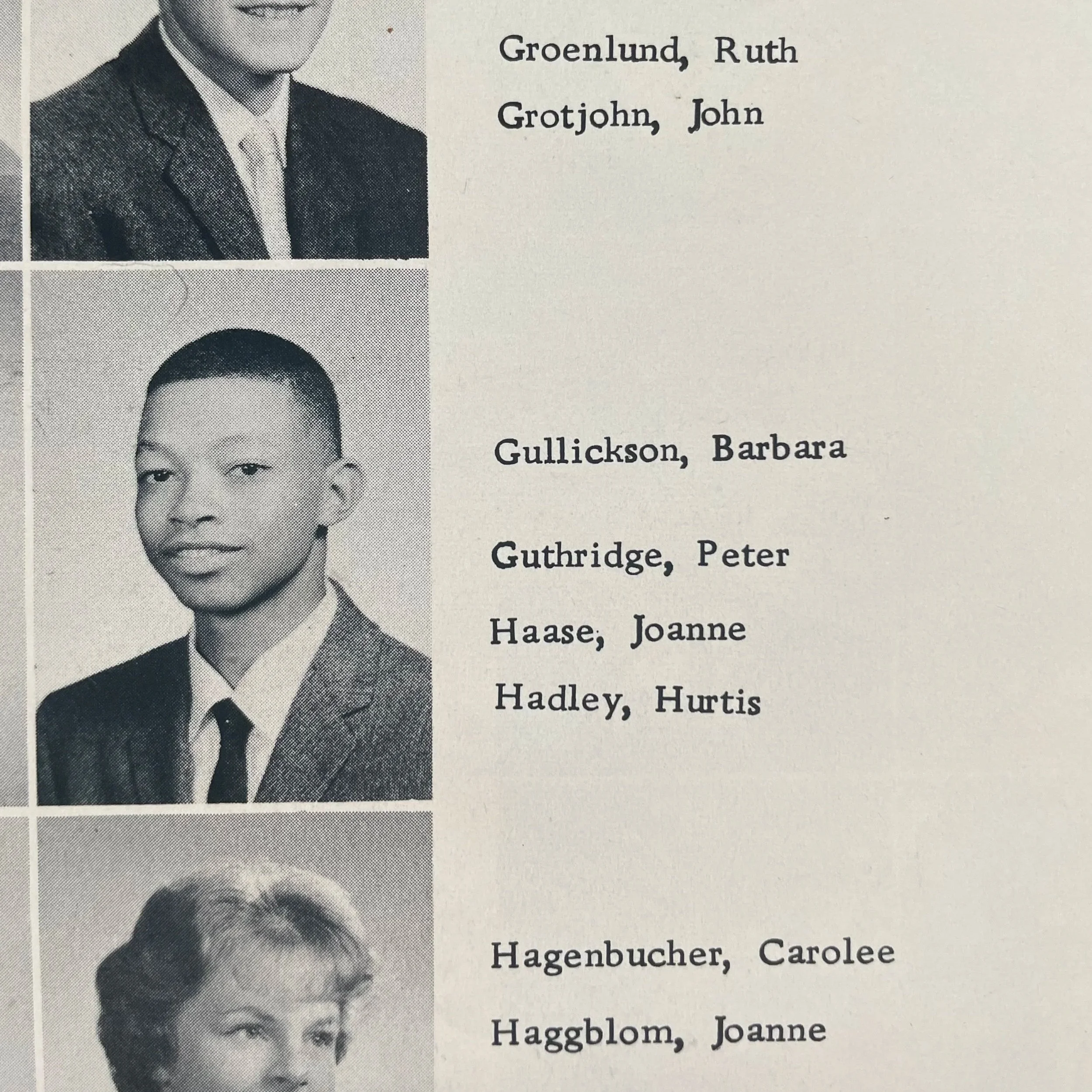
1961
Hurtis graduates from Jefferson High School. He is photographed for the junior varsity basketball team, band, dance band, and game day ushers. He should have been photographed for the golf team as well, but his coach (who refused to give him rides because he was Black) excluded him from the team photograph.
Image courtesy of the Hadley family
-
![Yellow poster with hand-written black ink design. Flyer reads "Battle of Bands and Dance featuring the fabulous... emperics of Seattle and Majestics of Portland"]()
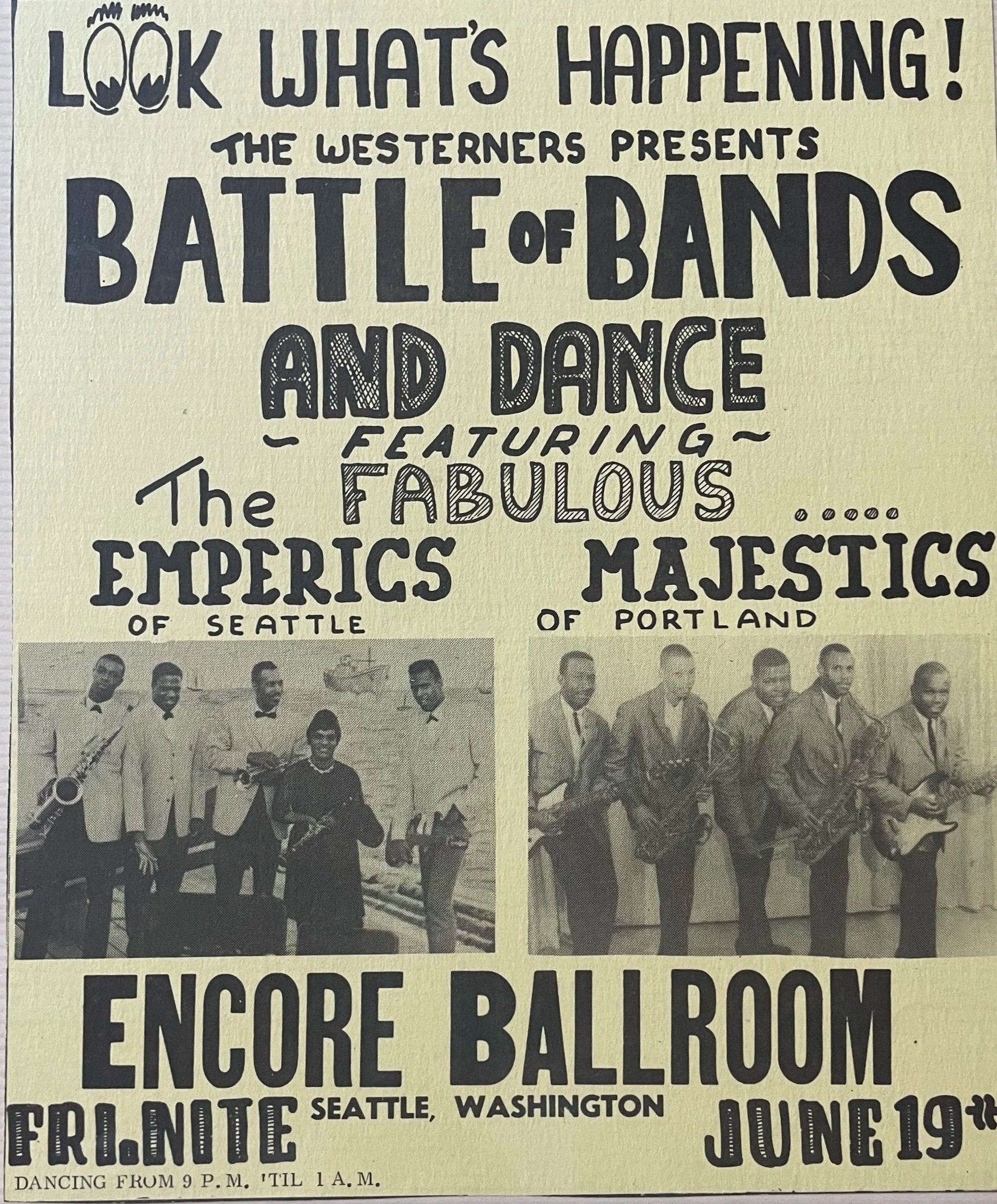
1961
Dorothy and Hurtis are introduced at Jantzen Beach, prior to the start of a Fabulous Majestics show.
Image courtesy of the Hadley family
-
![Sepia-toned headshot of Dorothy and Hurtis. Both are smiling and facing the camera. Dorothy is wearing a sleeveless top and Hurtis is wearing a black tuxedo jacket with a black tie.]()
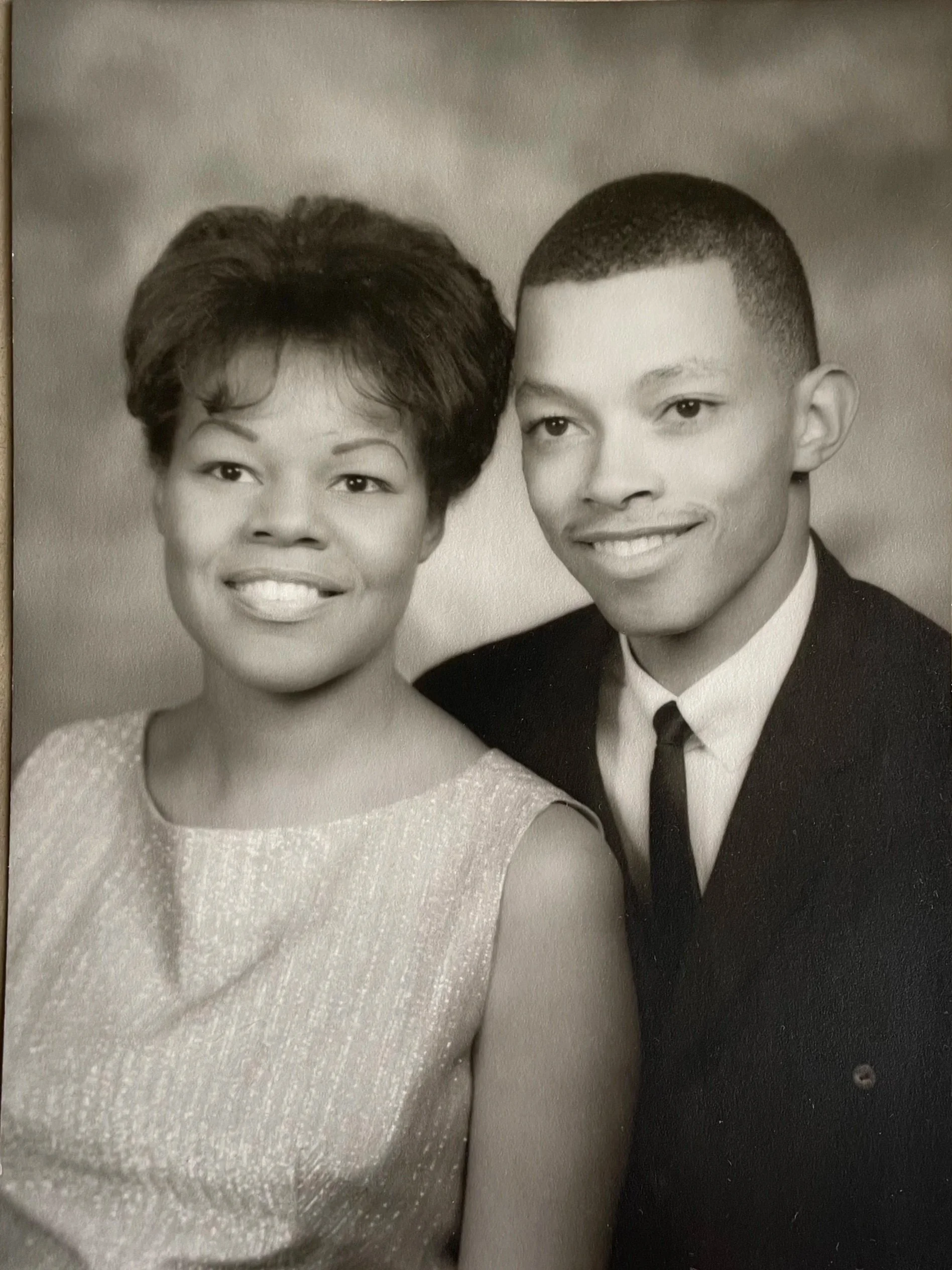
1962
Dorothy and Hurtis are married in Vancouver, Washington by Reverend Brown.
Image courtesy of the Hadley family
-
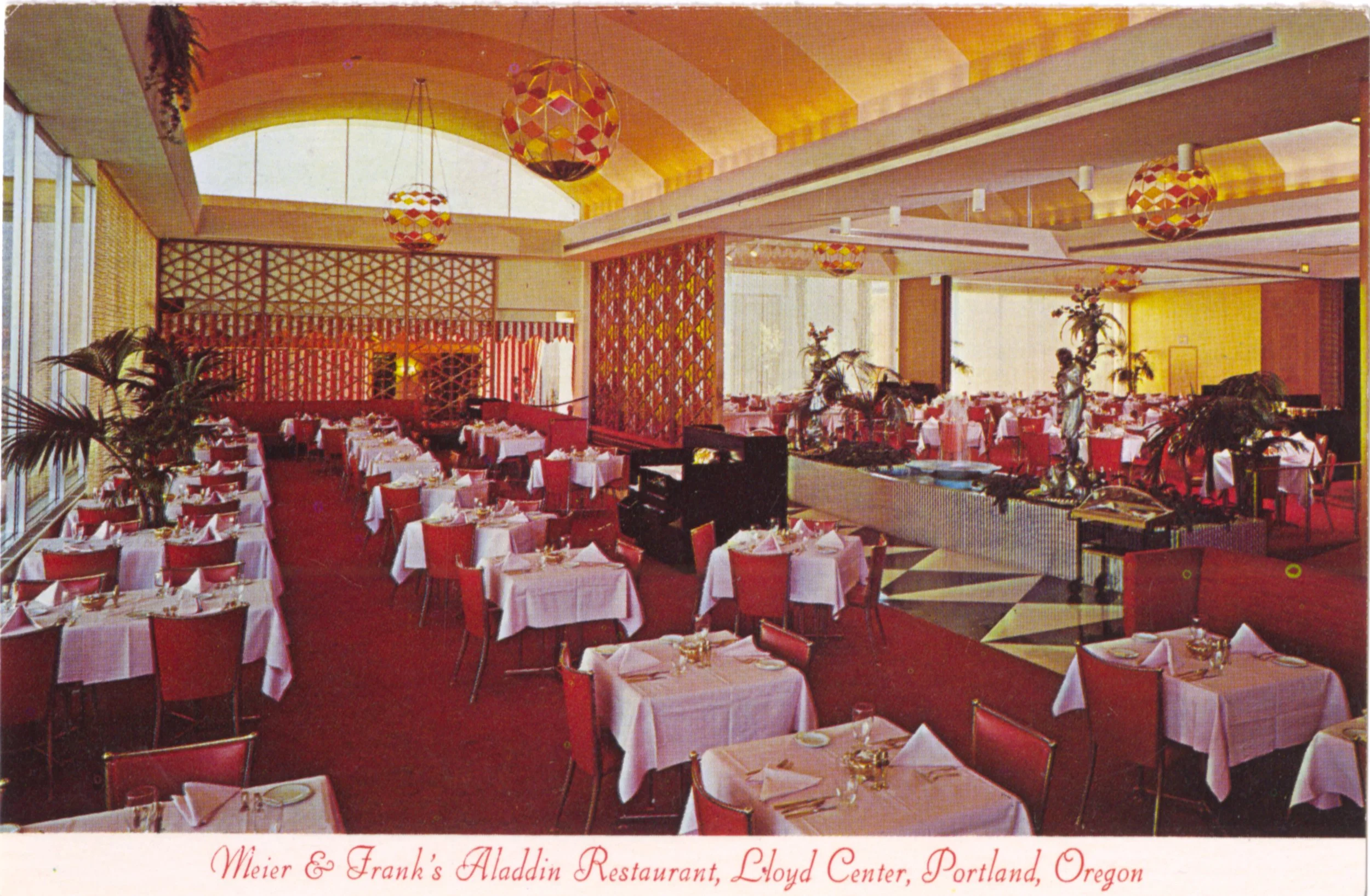
![Postcard depicting interior of Meier and Frank's Aladdin restaurant. Red carpets and chairs, and white tablecloths on tables. Yellow and white striped ceilings and colorful chandeliers.]()
1962
Hurtis takes a job at the Aladdin restaurant at the Lloyd Center. Here, he learned from the Pantry Manager that the bakery at Kienow’s Bohemian was hiring.
Image courtesy of Sarah Harris
-
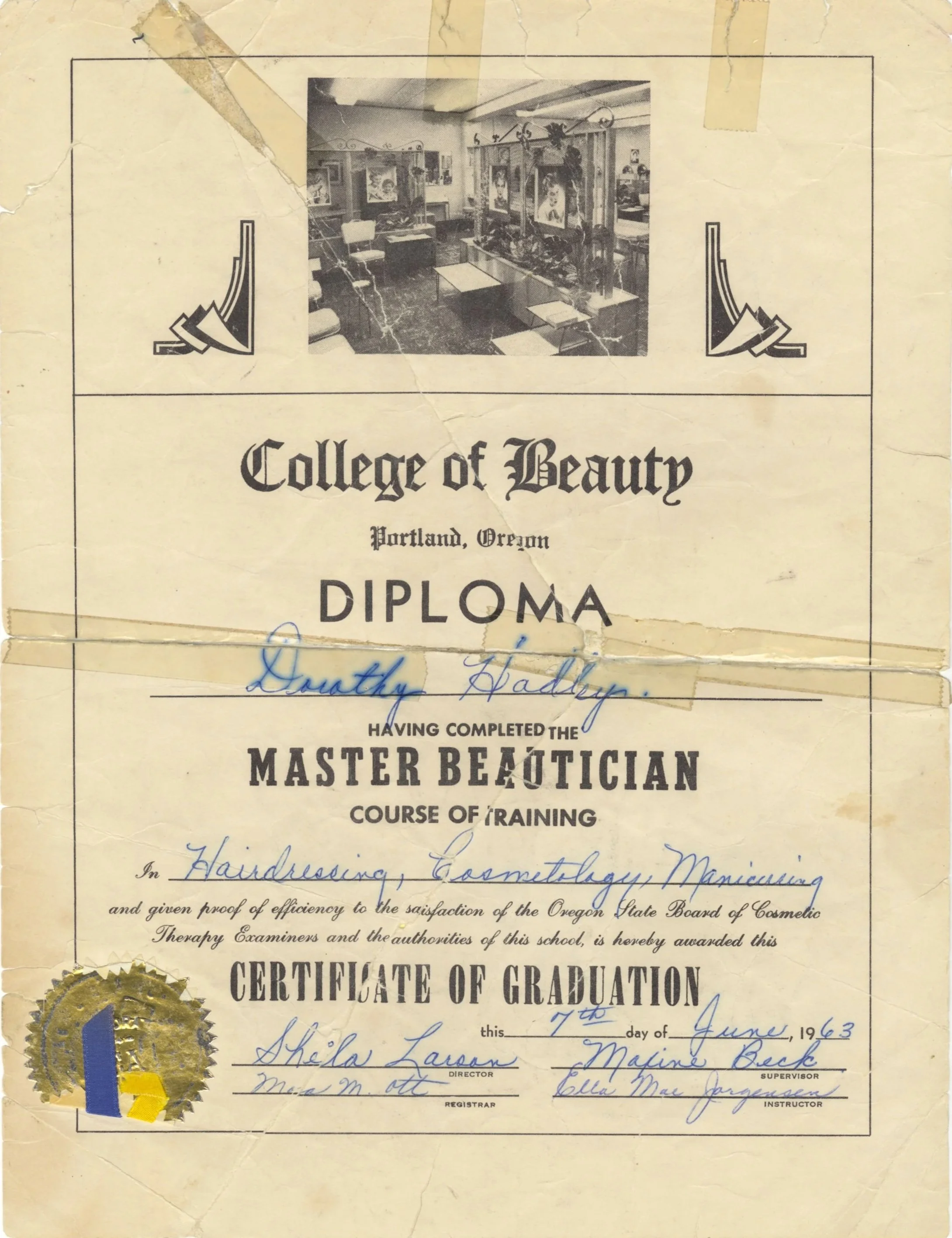
![Diploma with simple black lettering. Diploma reads "College of Beauty, Portland, Oregon, Diploma." Dorothy Hadley's name is handwritten in blue ink, as is the date and name of instructor. There is a black and white photo of the beauty school shop.]()
1963
Dorothy graduates from the Hollywood College of Beauty in NE Portland. Once graduated, she began working as a beautician's assistant, but left her position within months because of the racism she experienced from her supervisor. She then took a position at a beauty shop on Alberta, where she worked for a few years, before becoming a full-time domestic engineer.
Image courtesy of the Hadley family
-
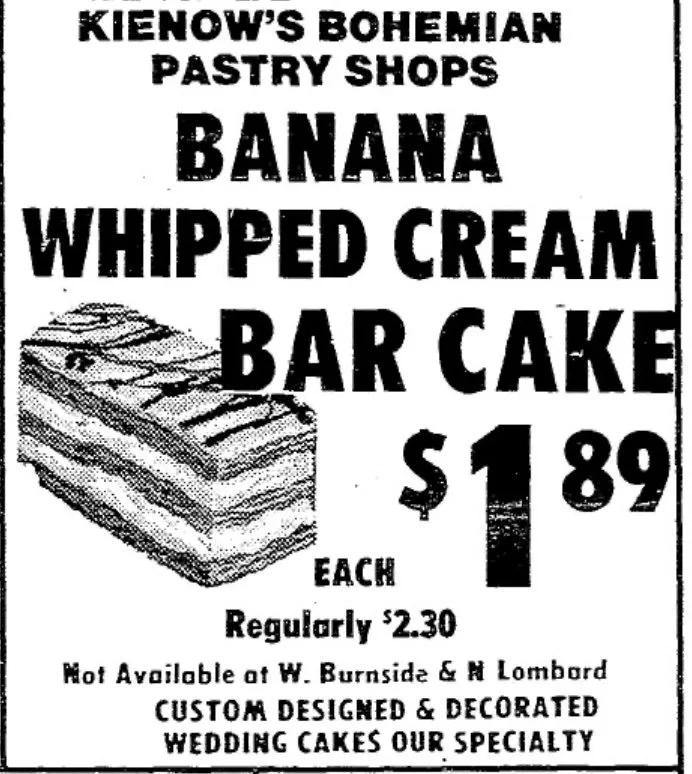
![Black and white advertisement featuring a large illustration of a car cake. Text around illustration reads: "Kienow Pastry Shops Banana Cream Bar Cake $1.89"]()
1964
Hurtis works at Kienow’s Bohemian Bakery, and he learns how to make the popular local “Banana Whipped Cream Bar Cake.” While working at the Bohemian, Hurtis attends supermarket school in order to increase his skills in hopes of finding a position in a grocery store.
MHS Collection. Originally published in the Oregonian, February 3, 1977 pg. 48
-
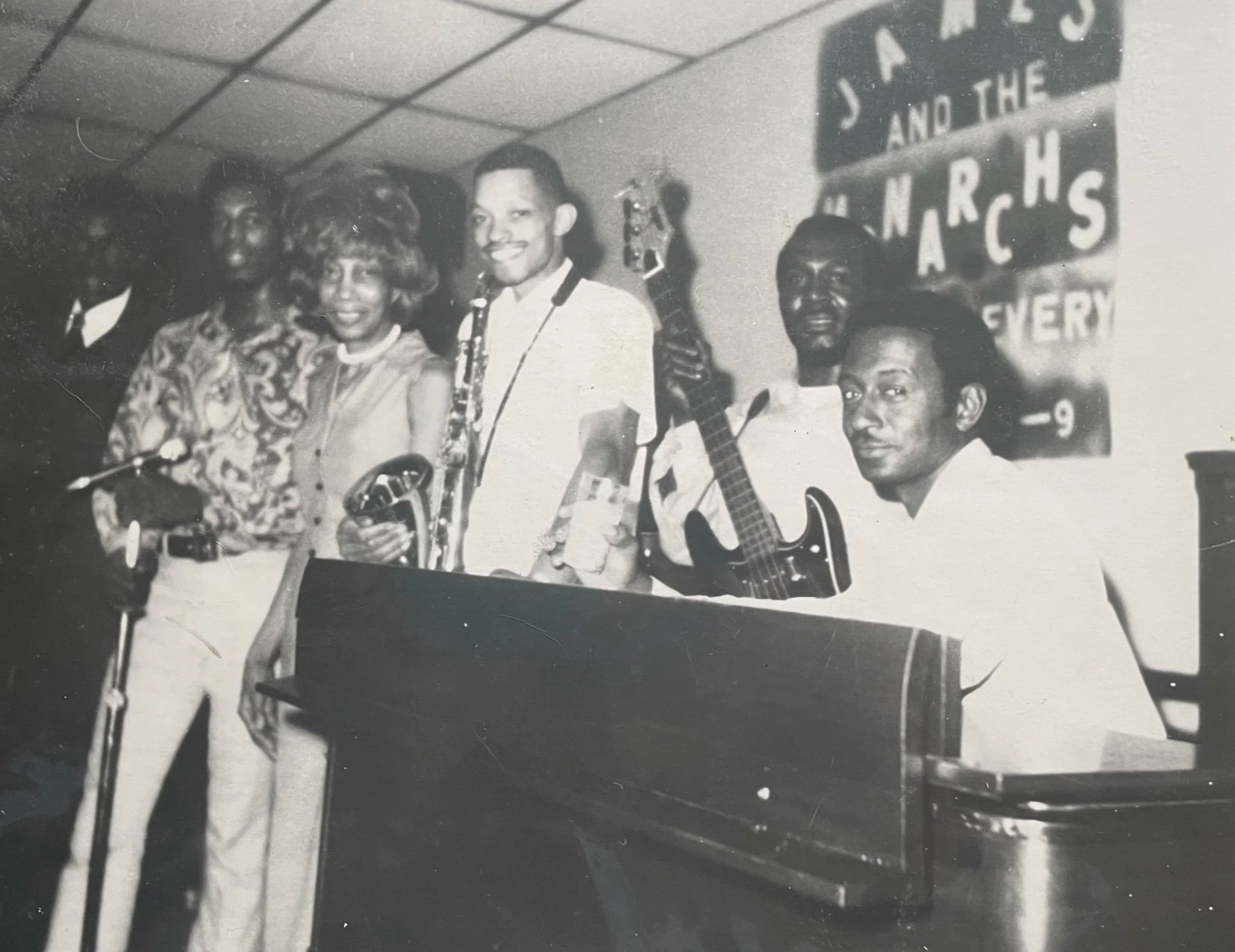
![]()
1965
Hurtis uses his saxophone skills and Portland music scene knowledge to his advantage and plays (and manages) the band “The Fabulous Majestics.” His band toured with The Larks, who became famous for the song and dance, “The Jerk.”
This photograph was taken during a show at Cleo’s Tavern.
Image courtesy of the Hadley family
-
![Photograph taken outside of Portland Albertsons store. Line of employees standing in front of the store. Women are wearing pink or white dresses with aprons, and men are wearing chef whites with green or white aprons.]()
1965
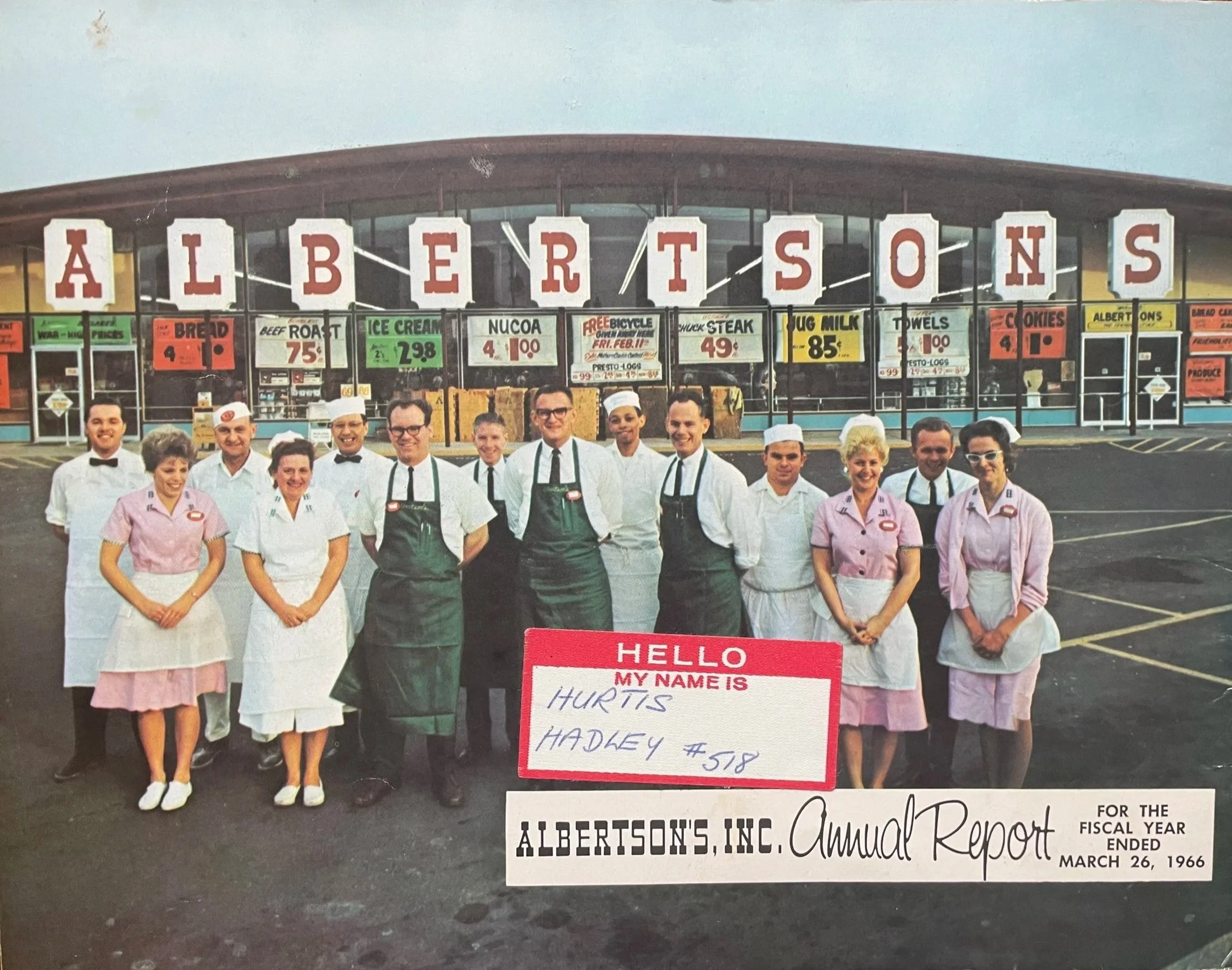
Hurtis applies to be a grocery clerk at Albertsons, but is hired on by bakery merchandiser Henry Gibheart as an apprentice baker because of his previous industrial baking experience. He became a member of the Bakers Local 114.
Here, he is pictured alongside other team members at Albertsons on 102nd & Stark. The photo was placed on the back cover of the 1966 Year in Review published by Albertson's Inc.
Image courtesy of the Hadley family
-
![Hurtis and his band performing outside of Albertsons. Hurtis is hunched over holding a saxophone. He is surrounded by bandmates holding guitars and drum sticks. Albertsons signs in the background.]()
1967
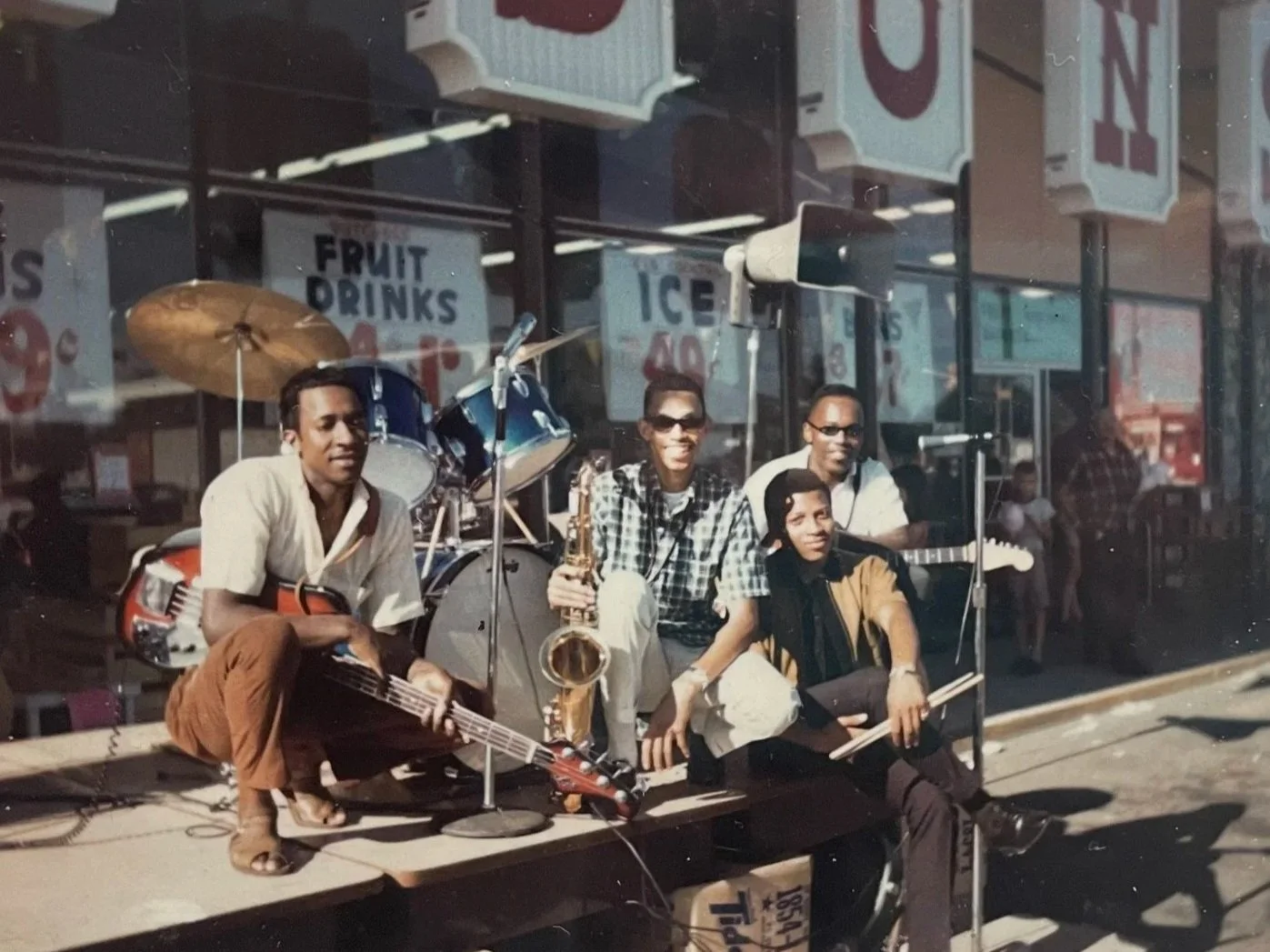
Hurtis becomes the first Black man to graduate from the Portland Community College Bakers Apprenticeship Program. He begins working at the Albertsons on 102nd and Stark, and is transferred to the Killingsworth Albertsons 2 years later.
Here, he is pictured with members of the Fabulous Majestics at the opening of a new Albertsons.
Image courtesy of the Hadley family
-
![Hurtis wearing his bakers whites standing alongside a table display inside the bakery at Albertsons. There is a large "BAKERY" sign in the background, and multiple display cases filled with pastries and breads lining the walls.]()
1970
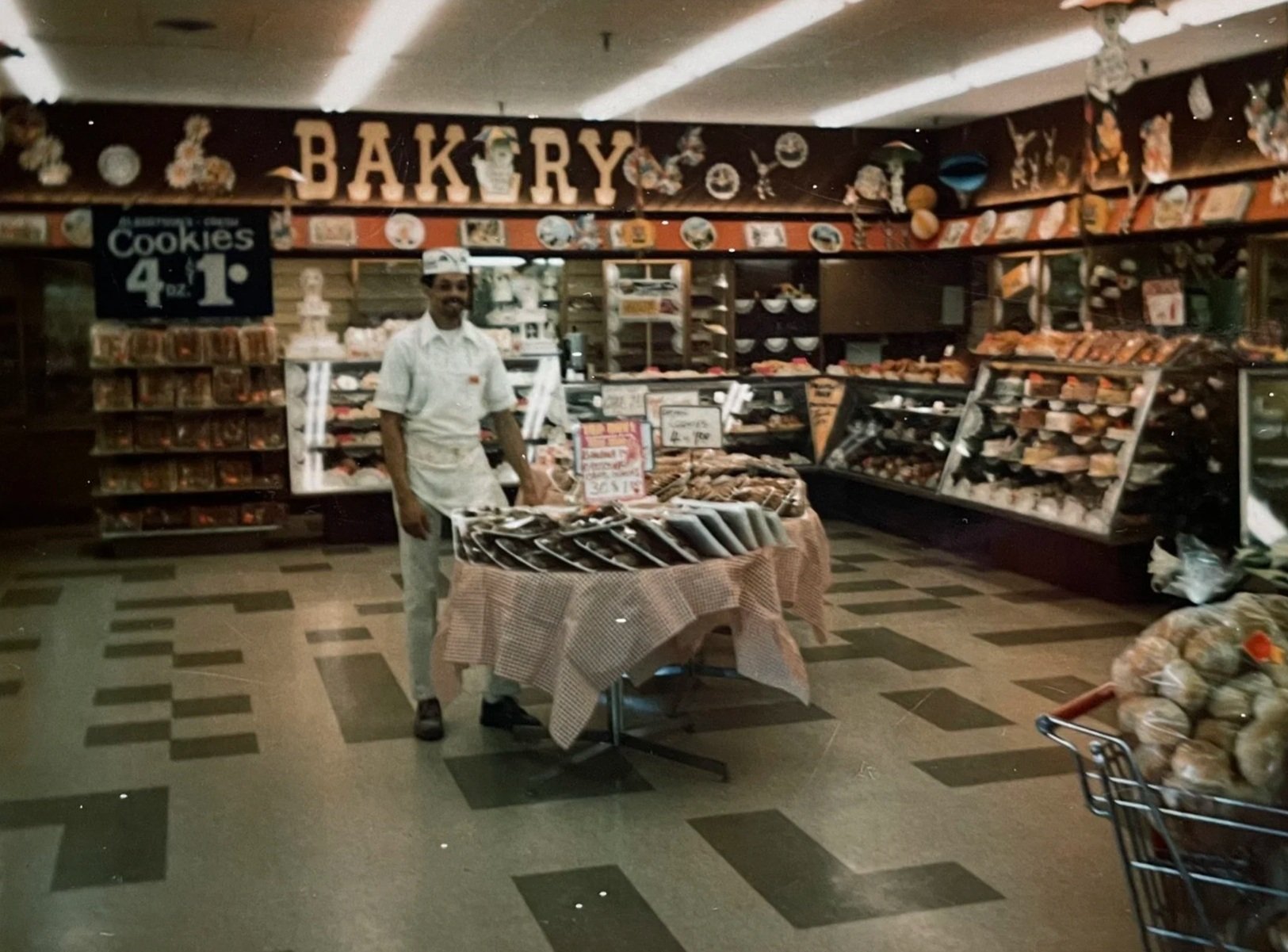
Hurtis becomes the first Black bakery manager and bakery trainer in Oregon for the Albertsons corporation.
Image courtesy of the Hadley family
-
![Hurtis standing in his bakery uniform. He is standing in the center of the grocery store, alongside styrofoam coolers. He is wearing a hat that looks like a three tiered cake.]()
1974
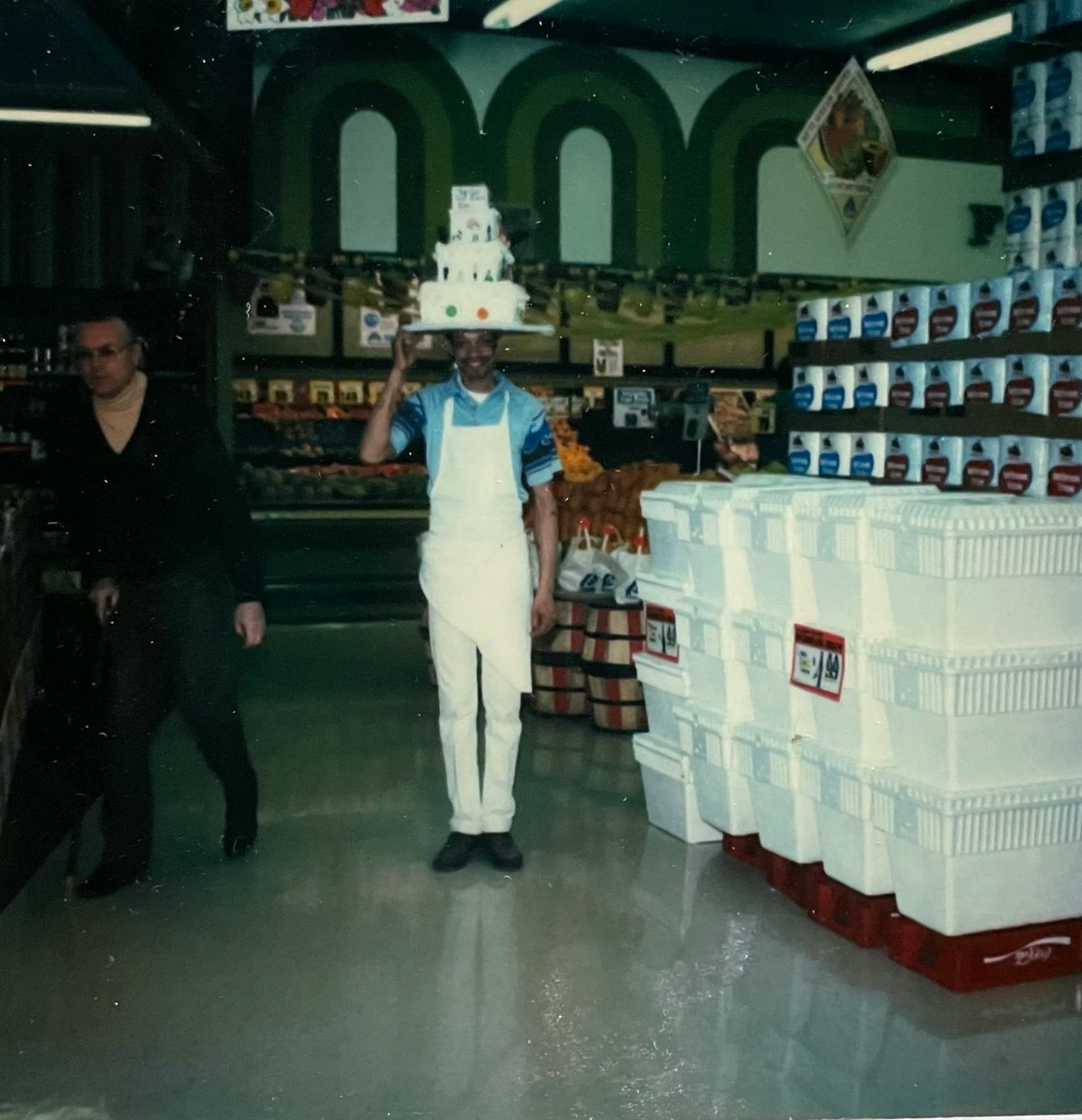
Hurtis is transferred to the Albertsons on Northeast Cully and Prescott as part of preparation to become Oregon’s bakery merchandiser. During this time, he continues to play with his band, pictured at a special event for Albertsons.
Image courtesy of the Hadley family
-
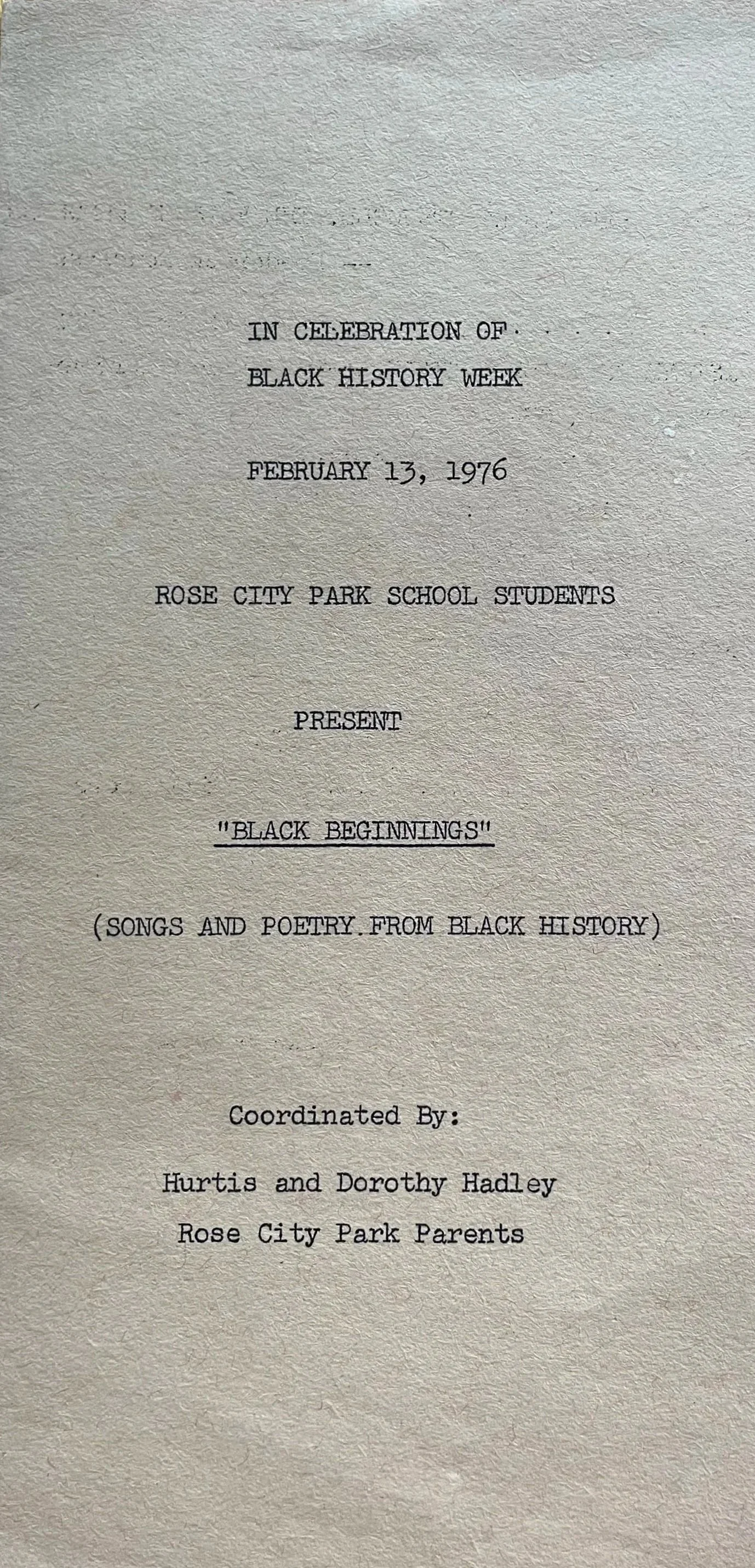
![Cream colored paper with black ink. Text on front of paper says "Rose City Park School Students Present 'Black Beginnings'" and February 13, 1976]()
1976
Dorothy and Hurtis present “Black Beginnings,” the first in a series of four Black history plays that Dorothy would write and direct over the next 30 years.
She created the play so that her children (and the other Black students that had been bussed to Rose City Park School) would have an opportunity to learn about Black history. The play was awarded a certificate of recognition by Portland Public Schools.
Image depicting cover of play brochure courtesy of Hadley Family
-
![Headshot of Hurtis Hadley wearing his Albertson's bakery unifrom. Hurtis is facing the camera and smiling.]()
1976
Hurtis is moved out to Milwaukie Albertsons in the next step to become Oregon’s bakery merchandiser, but despite being a top contender and well-qualified candidate, he is told that he will not be promoted to bakery merchandiser because some of Oregonians would not accept a Black man in that position of authority.
Image courtesy of the Hadley family
-
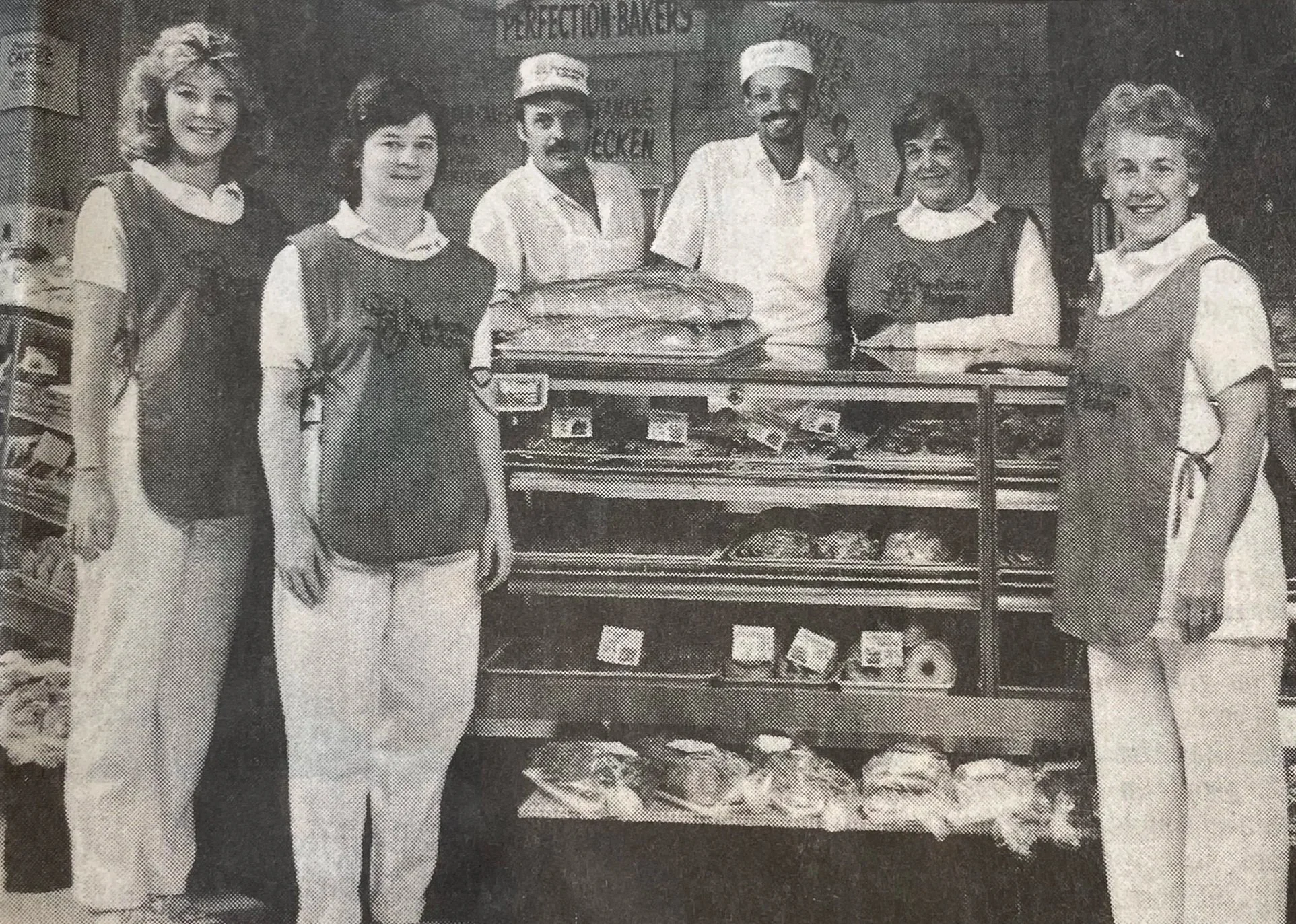
![Black and white image depicting four bakery staff, standing around a full bakery case. There is a woman in front of the case, and three people behind the case. Hurtis is at the center, wearing a chefs apron and white chef hat.]()
1976
Hurtis leaves Albertsons to work for smaller independent bakeries in the state, including the Perfection Bakery in Hillsboro.
Image courtesy of the Hadley family
-
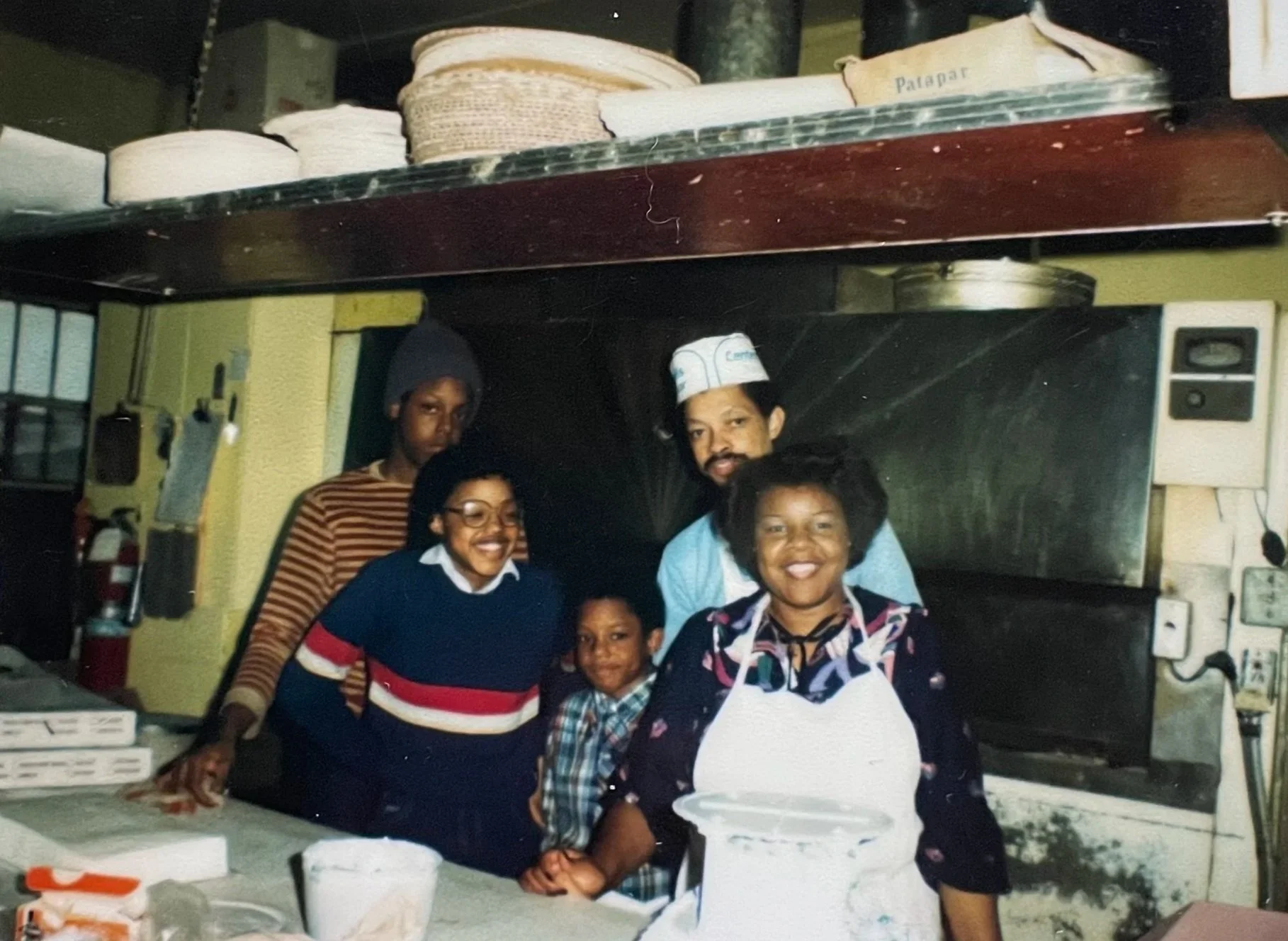
![Colorful polaroid image of the Hadley family standing inside the kitchen at their bakery. Dorothy is wearing a white apron in the front, alongsdie two of her children. Hurtis is stanidng behind Dorothy, alongside their son, wearing a striped shirt.]()
1977
April 19-21: Dorothy and Hurtis purchase the Milwaukie Pastry Kitchen, becoming the third owners of the bakery. The grand opening of the bakery was held over three days, with plenty of refreshments for the community.
Image courtesy of the Hadley family
-
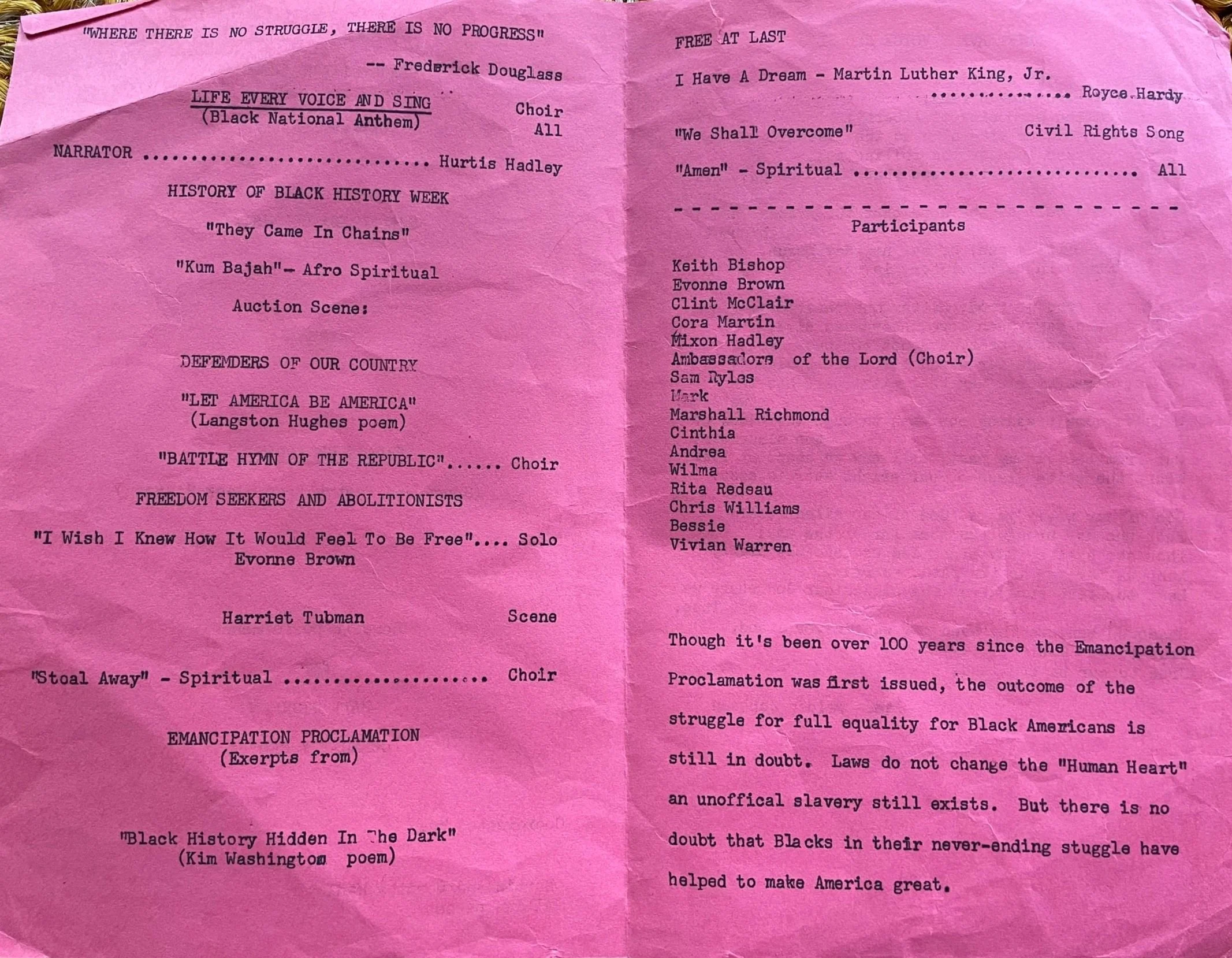
![Red paper with black ink. Photograph depicts inside of the a play booklet, and lists the songs and corresponding singers.]()
1977
Dorothy presents her second play, titled
Image of inside of play brochure courtesy of the Hadley family
-
![Black and white image depicting two girls laughing while Hurtis Hadley reads from a card. He is wearing a top hat and a alrge bowtie, and the girls are wearing white tops and shorts. "Birthday Mirth" is printed in black ink under the photo.]()
1978
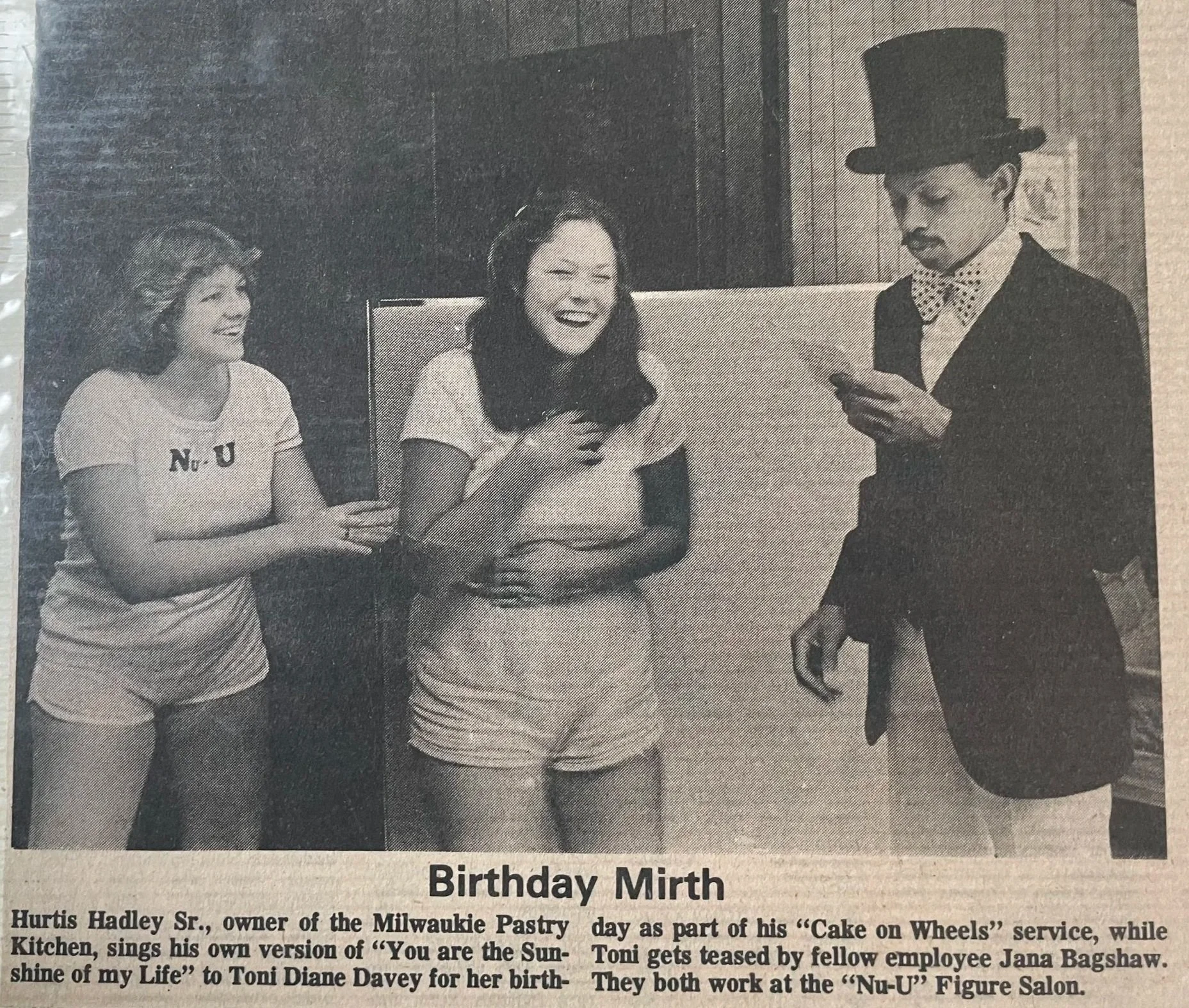
In their first year of business, Hurtis received a call from an out-of-town customer of the previous Pastry Kitchen. She tells Hurtis that the previous owner would deliver a banana whip cream cake to her mother on her birthday, and asks if he would do the same. Hurtis obliged, arriving in a top hat and suit with tails, to deliver a sweet birthday message alongside the cake.
In 1980, the Hadley’s began offering this service to the public, which they named “Cake on Wheels.”
Image courtesy of the Hadley family
-
![Black and white advertisement with black ink and white bakground. Ad reads "Put a little soul in your roll - Boss's Bar-B-Q & Deli" and includes illustrations of cakes and pastries. Includes hours, address, and information about business.]()
1981
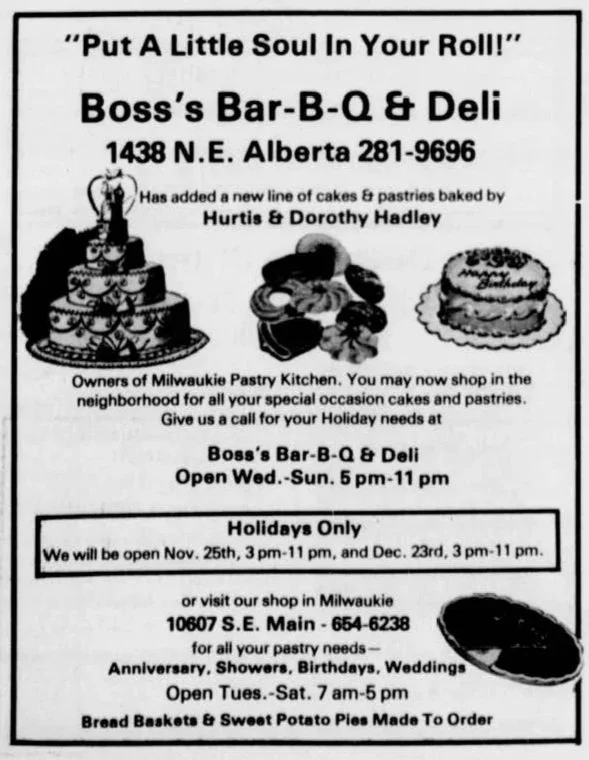
Hoping to bring business a little closer to home, Dorothy and Hurtis open Boss’s Bar-B-Q & Deli at 1438 NE Alberta. Here, they offered ribs, burgers, and savory soul food alongside an offering of sweets made at the Milwaukie Pastry Kitchen.
Advertisement originally printed in Portland observer., November 19, 1981, Page 5, Image 5. Accessible here.
-
![Colorful sketch of a shopping center wit a large parking lot. There are multiple large trees planted near the shops and fluffy clouds in the sky.]()
1981
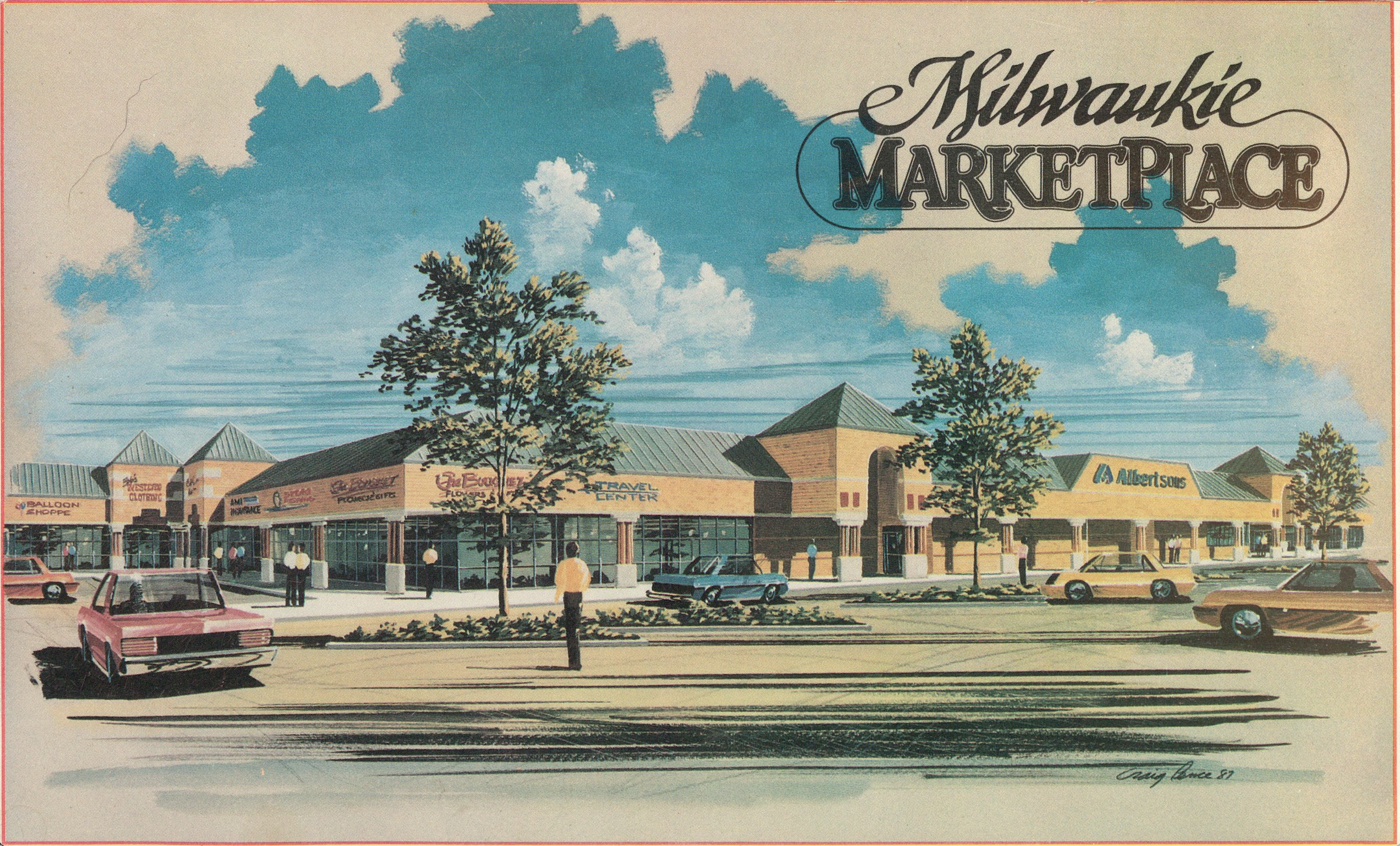
Clackamas Town Center opens and diverts traffic away from Main Street Milwaukie. 8 years later, the Milwaukie Marketplace would open up, and continued the process of diverting shoppers away from downtown Milwaukie.
Image courtesy of the Milwaukie Historical Society, 2001.17.5
-
![Black and white newspaper article featuring a horizontal photograph. Title of article "Black-owned business faces closure." Image depicts large windows and brick of the storefront of the Milwaukie Pastry Kitchen.]()
1985
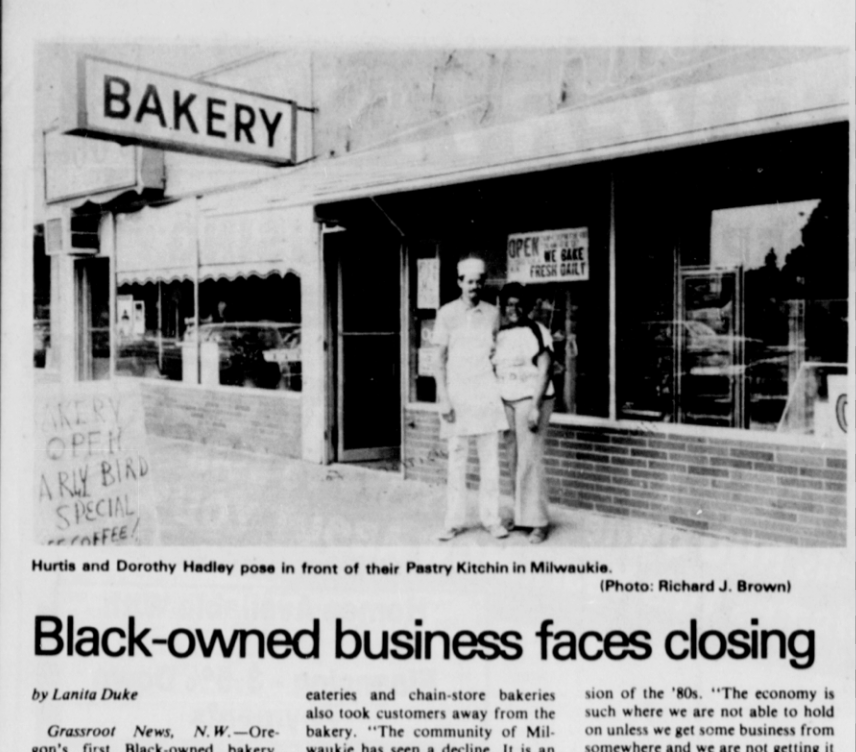
After eight successful years running the Milwaukie Pastry Kitchen, Hurtis and Dorothy make the decision to close the bakery.
Article originally printed in Portland Observer, October 05, 1983, Page 11. Accessible here.
-
![Printed avertisement with bold, black font advertising chocolate chip cookies for 5 cents each. Behind this text, Hurtis Hadley is standing in his bakers whites, holding a bag of baguettes.]()
1987
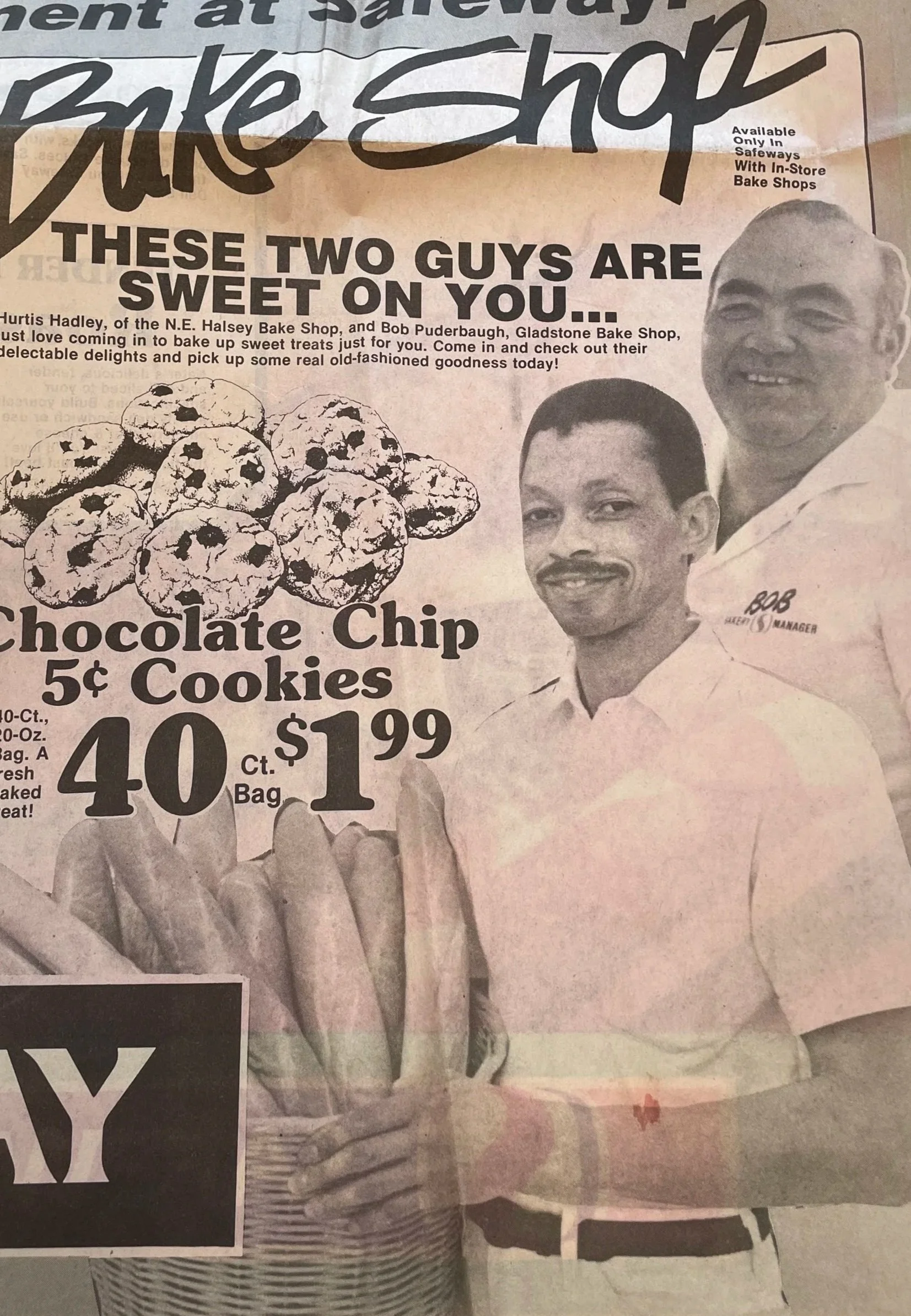
After leaving Milwaukie, Hurtis returns to work for Albertsons corporation, then moves to the Perfection Bakery in Hillsboro, before eventually becoming Bakery Manager for a local Safeway.
Image courtesy of the Hadley family
-
![A row of men wearing white suits with white hats and red ties. Two men at the center wearing pink suit jackets. All men are standing in a row, and Hurtis Hadley is standing on the very left.]()
1997
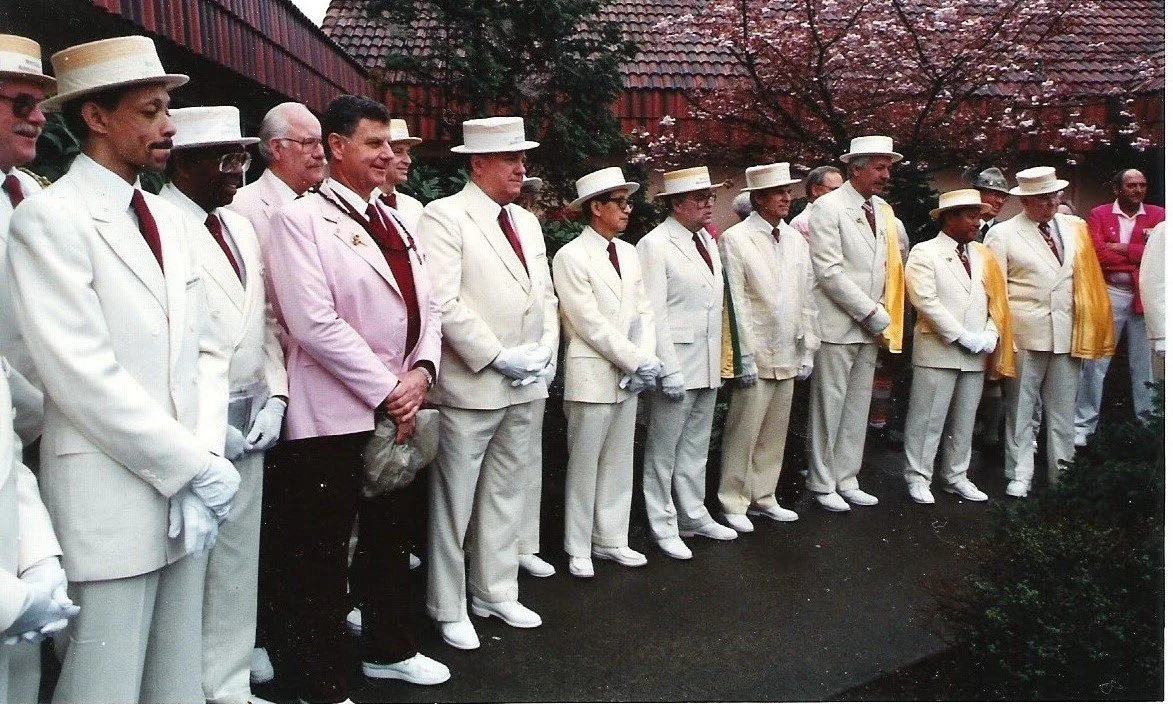
Hurtis officially retires from his lengthy baking career. Hurtis and Dorothy continue to work and remain involved with their community. Here, Hurtis is pictured alongside fellow Royal Rosarians at a Rose Parade Event.
Image courtesy of the Hadley family
-
![Dorothy standing between a woman and a man. All three are inside a kitchen, wearing plastic aprons. Dorothy is wearing a white top, the woman is wearing a green top, and the man is wearing a black top. All are smiling.]()
2000s
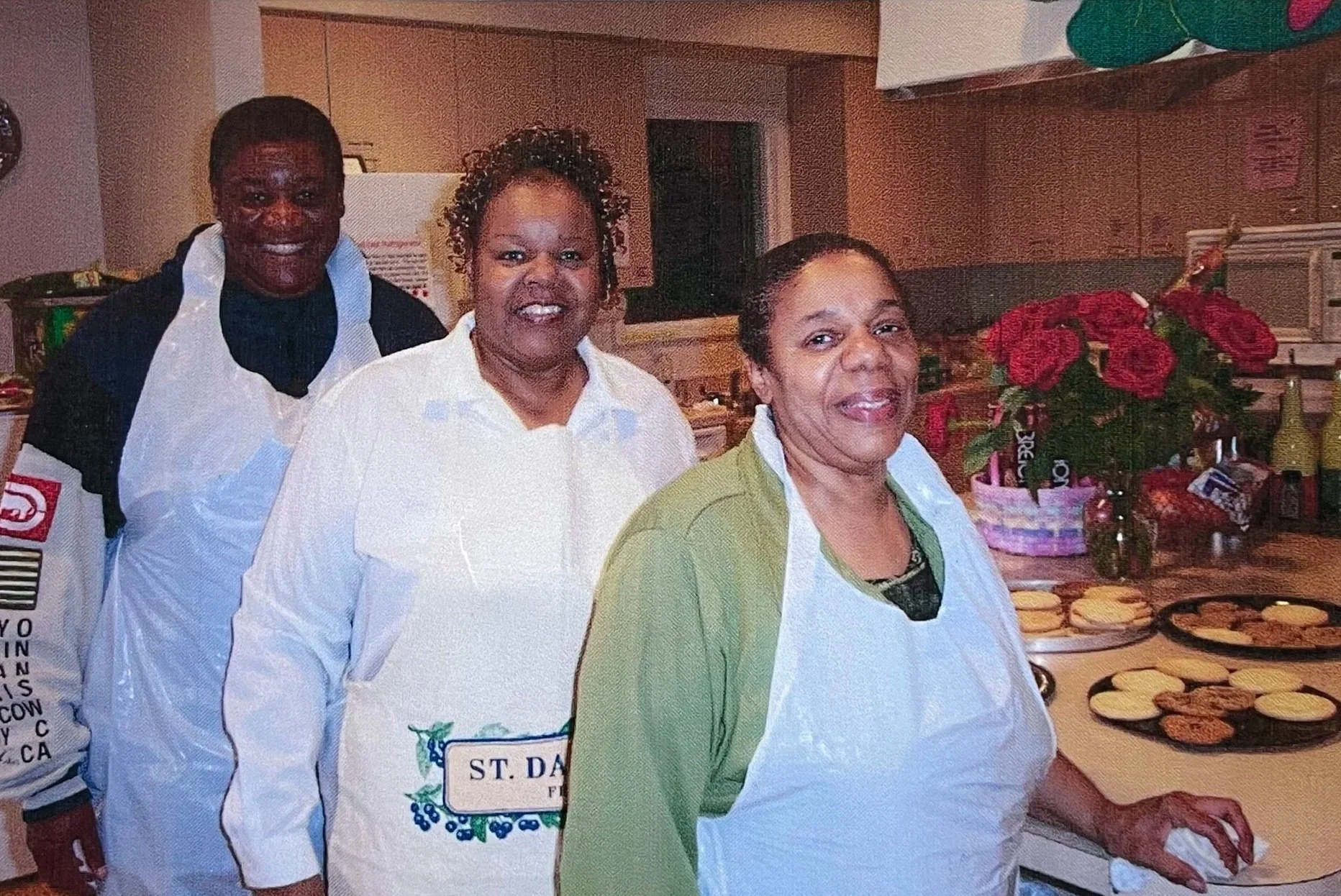
Throughout the 2000s, Dorothy volunteers with various organizations. She voluntters with AmeriCorps, the Ronald McDonald House, and continues to prepare and offer Black history plays for some Portland area schools.
Image courtesy of the Hadley family
-
![Cookbook sitting on top of pink sheets. Cover of cookbook is white with a photograph of hand-written recipe notecards that have yellowed with age.]()
2009
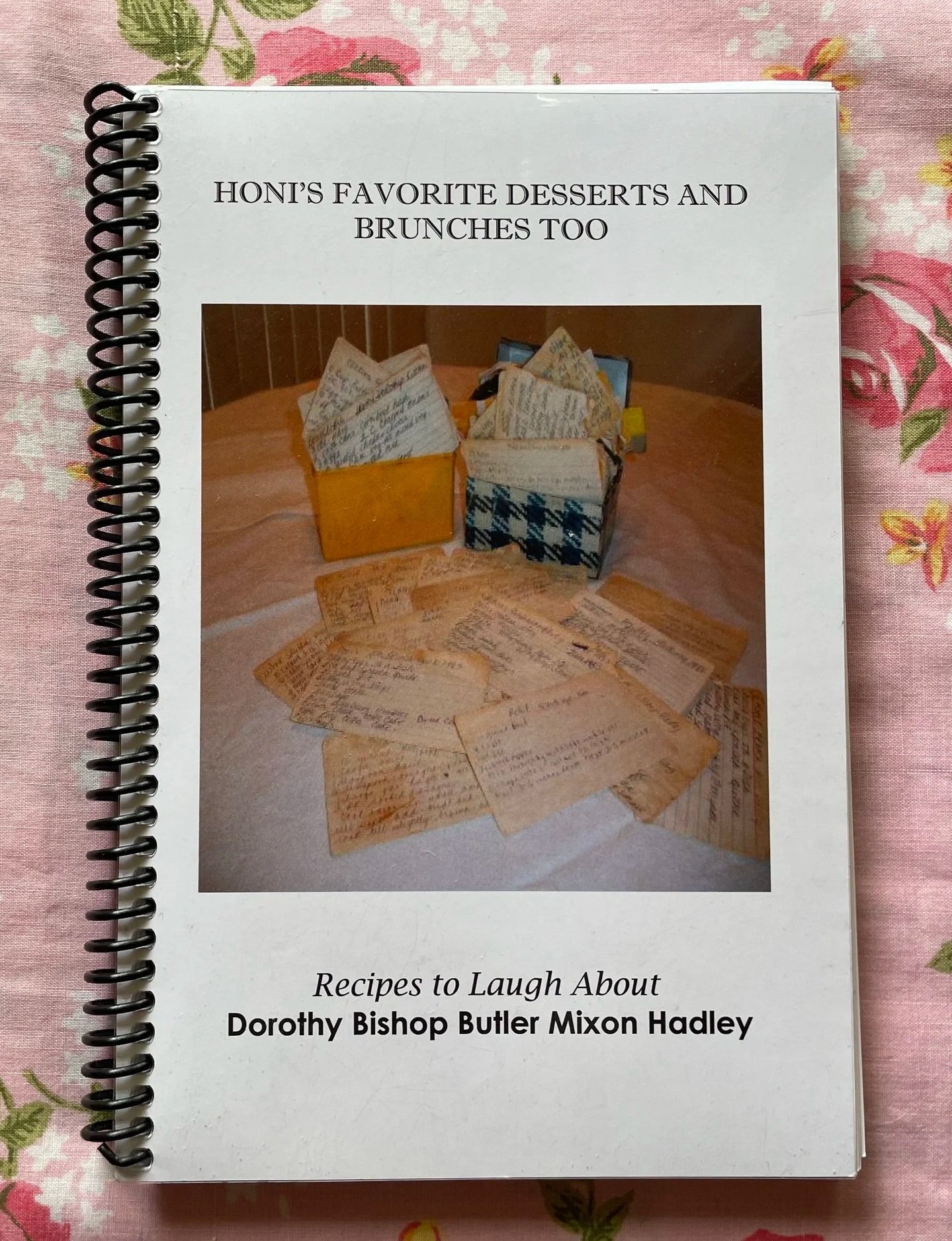
Dorothy self-publishes a cookbook titled “Honi’s Favorite Desserts and Brunches Too: Recipes to Laugh About.” The book includes her favorite recipes, punctuated by sweet stories and some images of her own baking spreads.
Her nickname, “Honi” came from one of the children acting in one of her PPS plays.
Image courtesy of Sarah Harris
-
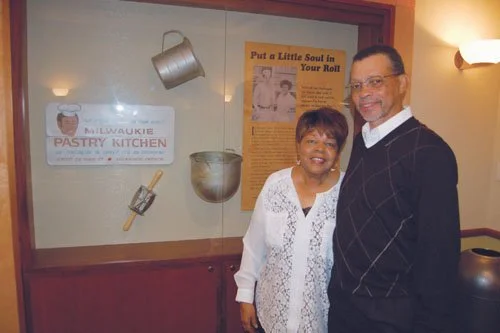
![Dorothy and Hurtis Hadley standing alongside their display at OHS. Dorothy is wearing a white top. Hurtis is wearing a black vest. There is a yellow sign inside the display case, alongside a measuring cup, mixing bowl, and rolling pin.]()
2014
The Oregon Historical Society opens an exhibit about the Hadley’s and the Milwaukie Pastry Kitchen, using items donated from the family.
Image courtesy of the Hadley family
-
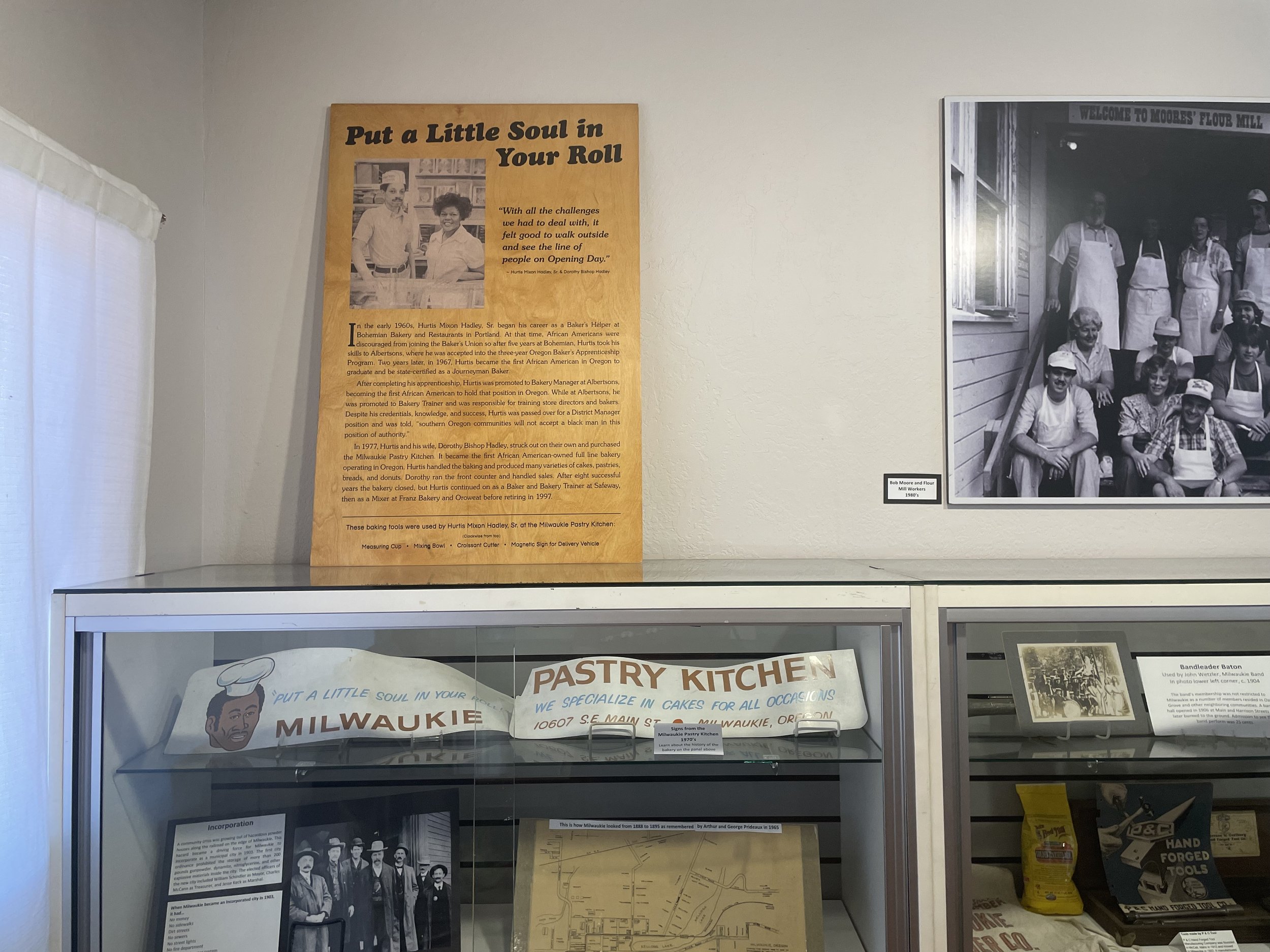
![Yellow sign sitting on top of a glass display case. The label on the yellow sign reads "Put a little soul in your roll." A sign inside the display case reads "Milwaukie Pastry Kitchen"]()
2020
The Hadley’s speak at a Black History event at the Ledding Library in Milwaukie. The event was sponsored and coordinated by the Milwaukie Museum, which also houses a small exhibit about the history of the Milwaukie Pastry Kitchen. In 2018, the Milwaukie Museum added a permanent exhibit about the Hadley’s and the Pastry Kitchen.
Image of the Milwaukie Historical Society’s 2024 exhibit display courtesy of Sarah Harris
-
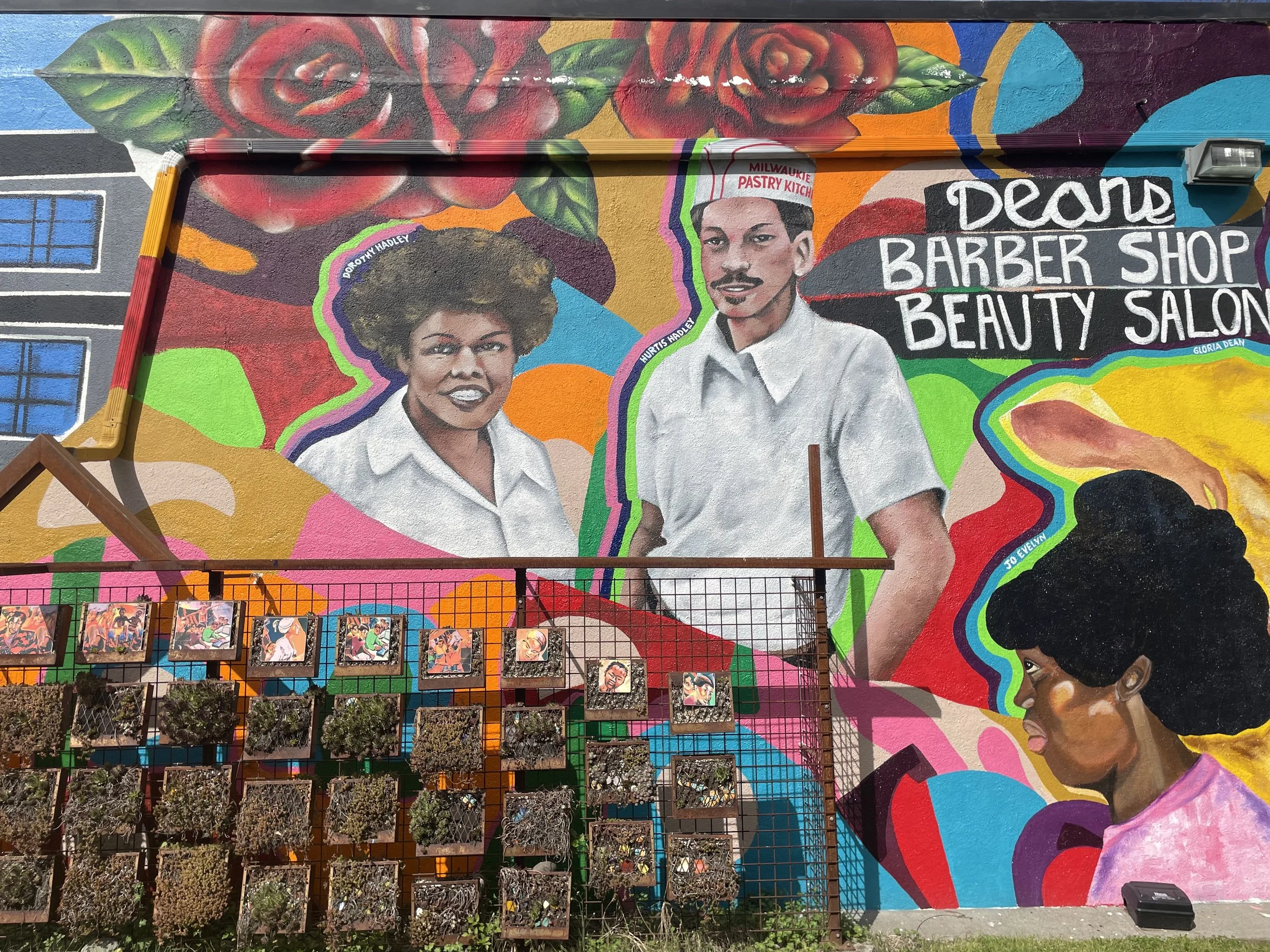
![Painting of Dorothy and Hurtis Hadley wearing bakers whites. They are surrounded by groovy, colorful shapes.]()
2021
Dorothy and Hurtis are included on a mural depicting Portland’s Black business owners. The mural is located on the corner of NE Shaver Street and MLK Jr. Boulevard, adjacent to the site of the (now closed) Burger Barn.
The mural is painted on the side of the Micro Enterprise Services of Oregon, a group that focuses “on poverty alleviation through entrepreneurship in minority communities and distressed areas.”
Image courtesy of Sarah Harris
-
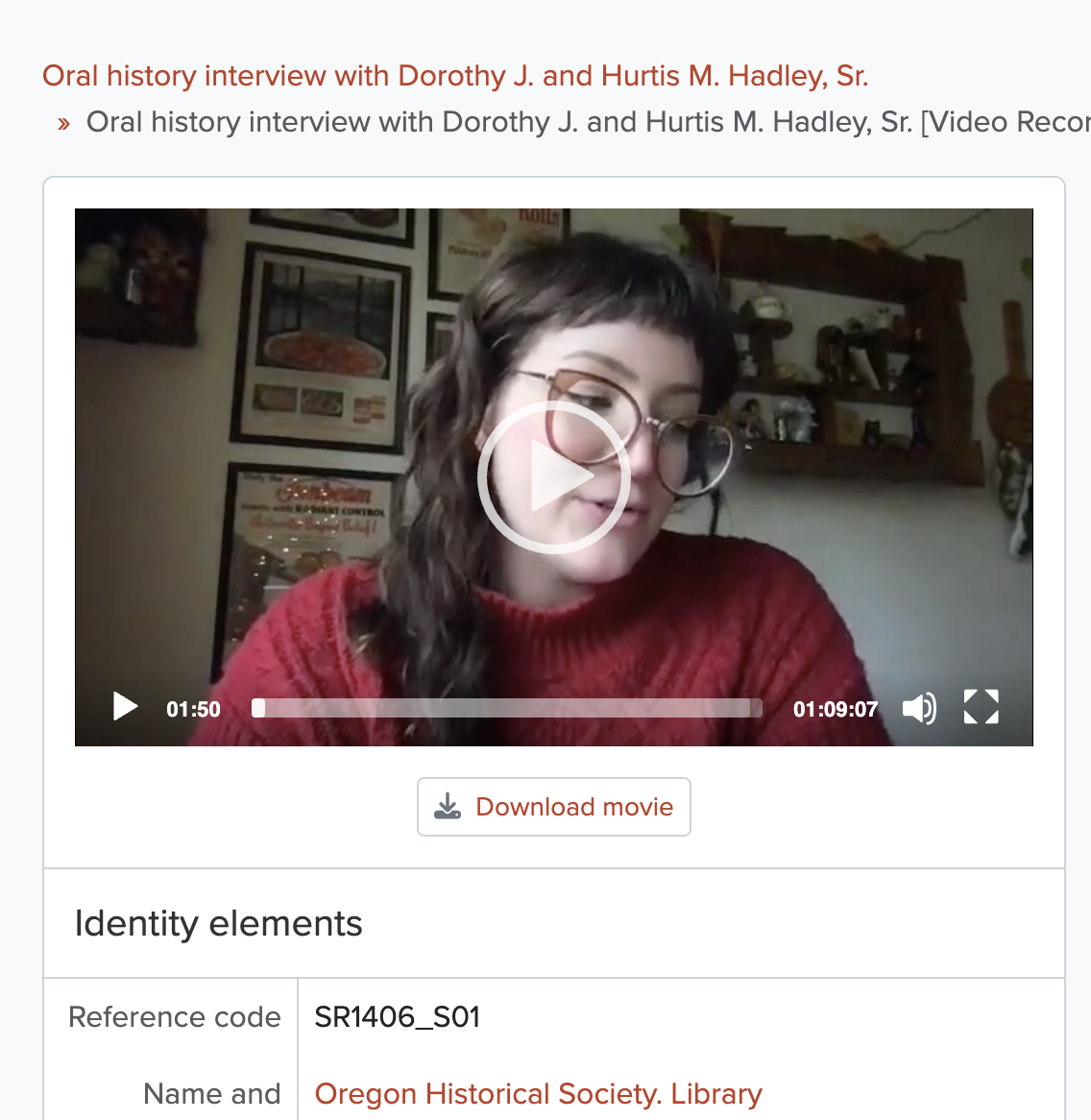
![Screenshot of paused video display of Sarah Harris. She is wearing a red sweater and is wearing large, oversized glasses. The play button is situated in front of her face, and there is text above and below the photograph.]()
2021
Dorothy and Hurtis meet for an oral history interview with Sarah Harris. The start of this project.
Image captured from Oregon Historical Society’s online portal for Dorothy and Hurtis Hadley’s interview.
-
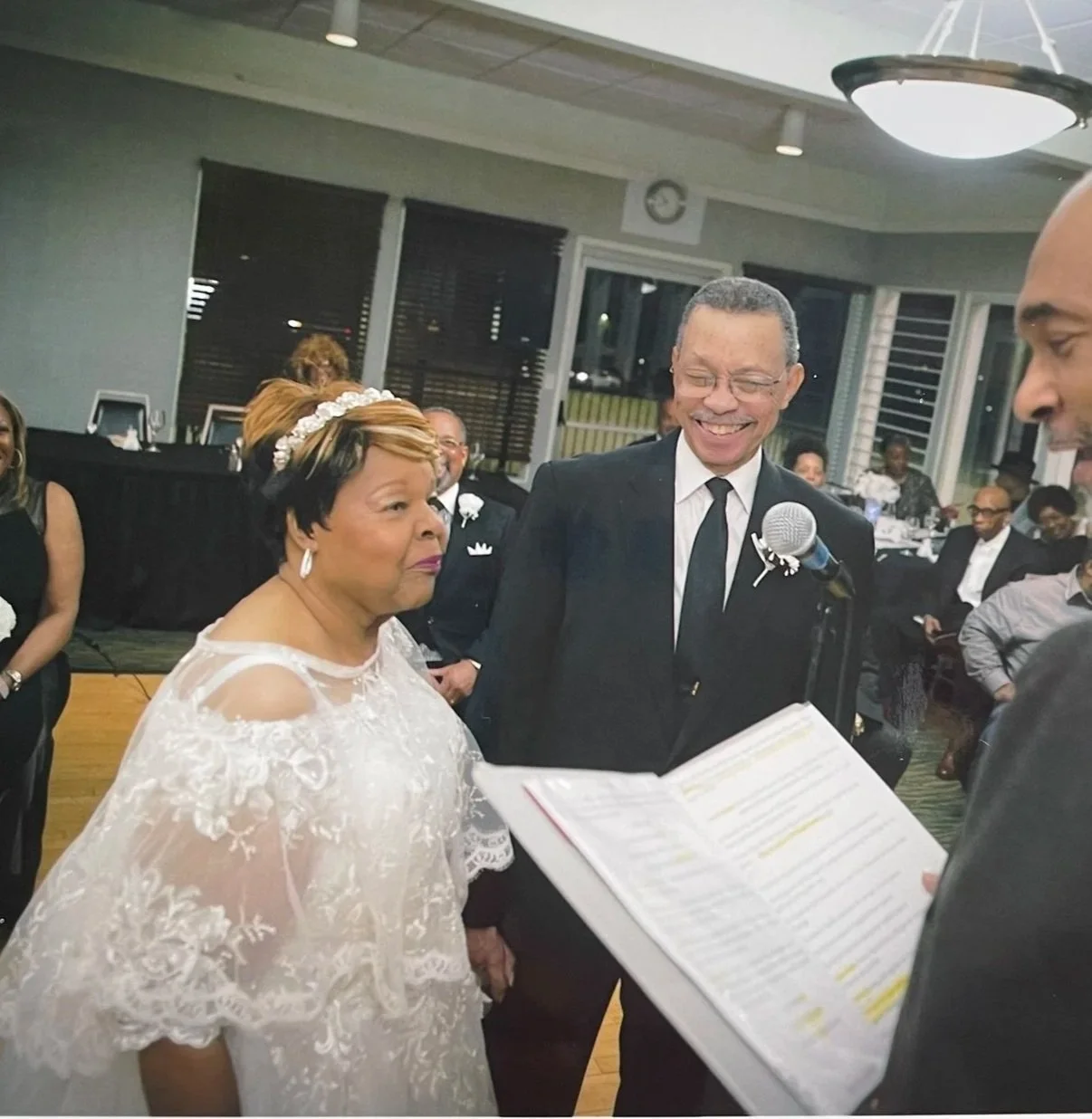
![Dorothy Hadley wearing a white lace wedding dress and matching hairband. She is standing alongside Hurtis Hadley, who is wearing a black tuxedo and tie. Both are smiling and facing a pastor with an open book with notes.]()
2022
Hadley’s celebrate 60 years married. Here, they are pictured at their vow renewal.
Image courtesy of the Hadley family.
-
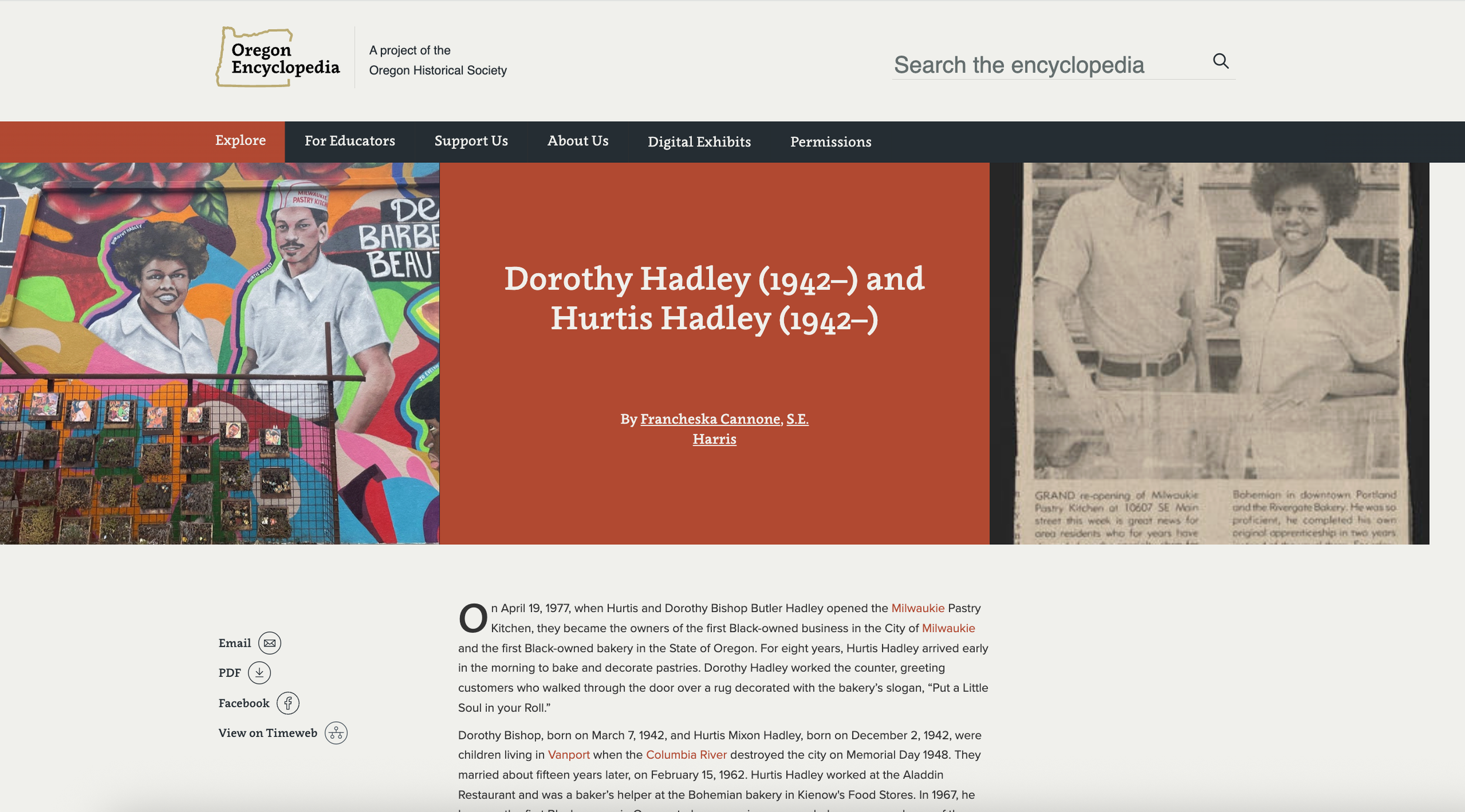
![Screenshot of Oregon Encyclopedia website. Website displaying the names of Dorothy and Hurtis Hadley on a burnt orange background. Corresponding newspaper clippings and photographs are on the edge of the display.]()
2022
The Hadley’s continue to improve the historic record of Oregon. Despite never intending to “make history,” the Hadley’s work to ensure their efforts will not be forgotten.
Image of the Oregon Encyclopedia page captured July 9, 2026. Click here to access the page.
-
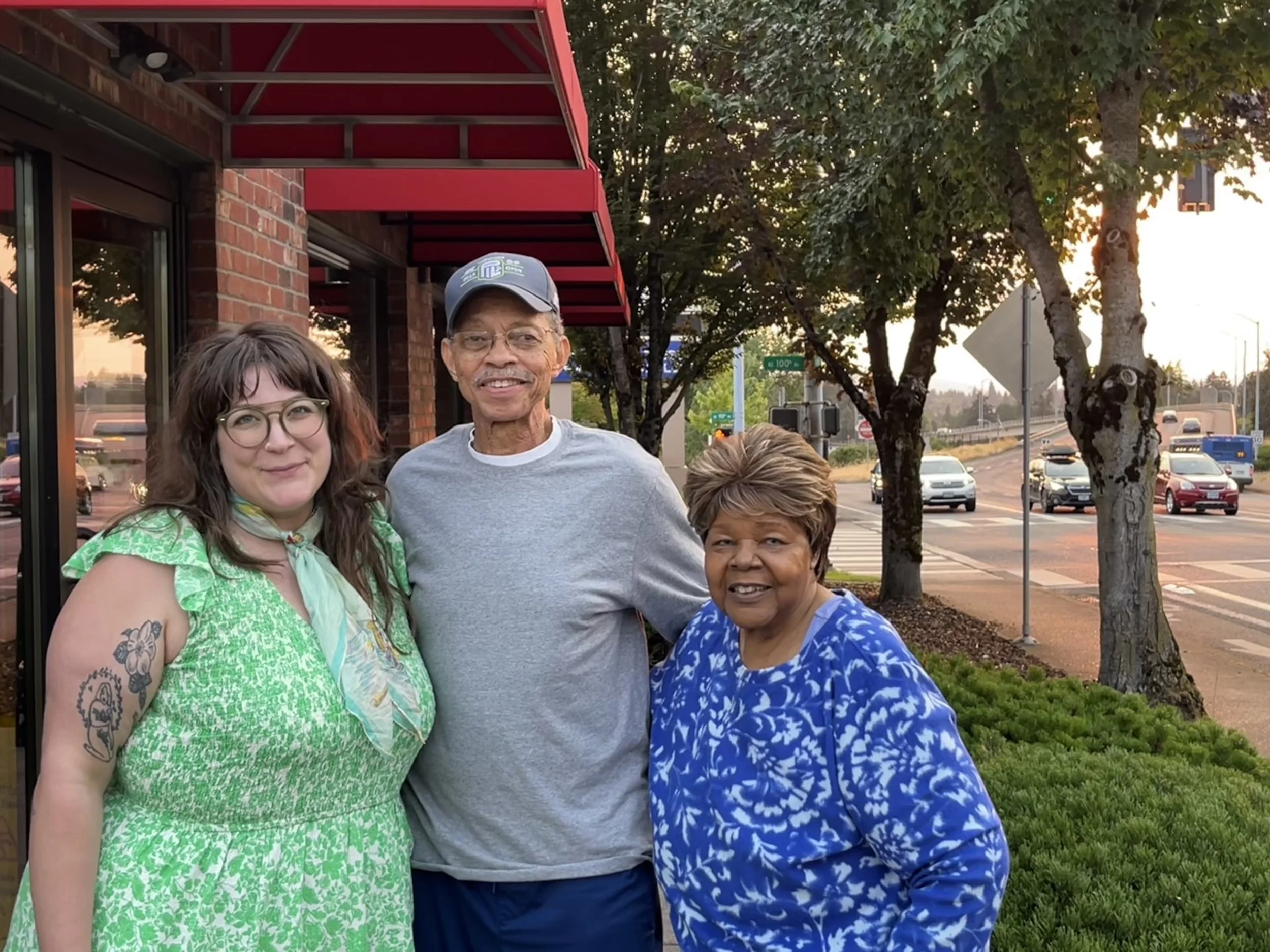
![Sarah Harris, Hurtis Hadley, and Dorothy Hadley standing together outside of a restaurant. All three are smiling. Sarah is wearing a green dress, Hurtis is wearing a grey top, and Dorothy is wearing a blue top.]()
2026
Historic year for the hadleys! First, the Hadley’s curated a display at the Toolbox Gallery in downtown Milwaukie and this online exhibit was published.
The curator of this exhibit and the Hadley’s are currently working with the city of Milwaukie to establish a marker outside the former pastry kitchen in downtown Milwaukie. Stay tuned for an update!
Image courtesy of Sarah Harris